What is the heat dissipation requirement of a 99% PSA Nitrogen Generator?
As a supplier of 99% PSA (Pressure Swing Adsorption) Nitrogen Generators, I understand the importance of heat dissipation in the efficient and reliable operation of these systems. In this blog, we will explore the heat dissipation requirements of a 99% PSA Nitrogen Generator, why it matters, and how to ensure proper heat management.
Understanding PSA Nitrogen Generation
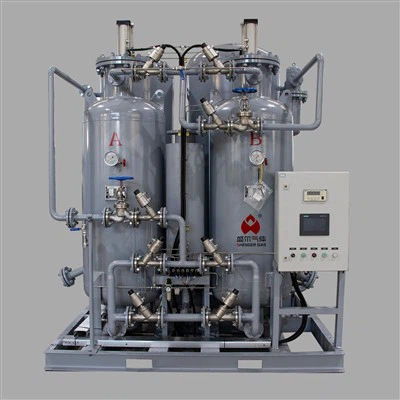
PSA Nitrogen Generators are widely used in various industries to produce high-purity nitrogen gas from compressed air. The process involves two adsorption towers filled with a special adsorbent material, usually carbon molecular sieve (CMS). When compressed air passes through the adsorption tower, oxygen and other impurities are adsorbed by the CMS, allowing nitrogen to pass through and be collected.
During the adsorption process, heat is generated due to the exothermic nature of the adsorption reaction. Additionally, the compression of air also contributes to the heat build-up in the system. If this heat is not properly dissipated, it can have several negative impacts on the performance and lifespan of the PSA Nitrogen Generator.


Why Heat Dissipation is Crucial
- Adsorbent Performance: High temperatures can reduce the adsorption capacity of the carbon molecular sieve. The CMS has an optimal operating temperature range, and if the temperature exceeds this range, the efficiency of nitrogen separation decreases. This can lead to a lower nitrogen purity and reduced production capacity.
- Equipment Longevity: Excessive heat can cause damage to various components of the PSA Nitrogen Generator, such as valves, pipes, and electrical components. Over time, this can lead to premature failure of the equipment, increasing maintenance costs and downtime.
- Energy Efficiency: A well-cooled PSA Nitrogen Generator operates more efficiently. When the system is overheated, the compressor has to work harder to maintain the required pressure, resulting in higher energy consumption. By ensuring proper heat dissipation, we can reduce energy costs and improve the overall energy efficiency of the system.
Heat Dissipation Requirements
- Cooling Medium: The most common cooling medium for PSA Nitrogen Generators is water or air. Water cooling is generally more efficient as water has a higher heat capacity than air. However, air cooling is more suitable for smaller generators or in areas where water is scarce.
- Cooling Capacity: The cooling capacity of the system should be sufficient to remove the heat generated during the nitrogen generation process. This depends on several factors, including the size of the generator, the production capacity, and the ambient temperature. A general rule of thumb is to have a cooling capacity that can handle at least 1.5 to 2 times the heat generated by the system.
- Temperature Control: The temperature of the PSA Nitrogen Generator should be maintained within a specific range. For most CMS-based PSA Nitrogen Generators, the optimal operating temperature is between 20°C and 40°C. Temperature sensors can be installed in the system to monitor the temperature and trigger the cooling system when the temperature exceeds the set limit.
- Ventilation: Proper ventilation is essential for air-cooled PSA Nitrogen Generators. The generator should be installed in a well-ventilated area to allow for the free flow of air. Adequate ventilation helps to remove the hot air generated by the system and prevent the build-up of heat.
Ensuring Proper Heat Dissipation
- Regular Maintenance: Regular maintenance of the cooling system is crucial to ensure its proper functioning. This includes cleaning the cooling coils, checking the water or air flow, and replacing any worn-out components.
- Monitoring and Control: Installing temperature sensors and monitoring the temperature of the PSA Nitrogen Generator can help to detect any potential overheating issues early. Automated control systems can be used to adjust the cooling system based on the temperature readings.
- Proper Installation: The PSA Nitrogen Generator should be installed in a location that allows for easy access to the cooling system and proper ventilation. The installation should also comply with the manufacturer's recommendations and local regulations.
Our PSA Nitrogen Generators
At our company, we offer a wide range of 99% PSA Nitrogen Generators that are designed to meet the heat dissipation requirements of various applications. Our generators are equipped with efficient cooling systems to ensure optimal performance and reliability.
We have different types of PSA Nitrogen Generators to suit different industries and requirements. For example, our PSA Nitrogen Generator For Electronics Manufacturing is specifically designed for the electronics industry, where high-purity nitrogen is required for soldering, packaging, and other processes. Our Aviation Nitrogen Generator is suitable for the aviation industry, providing nitrogen for aircraft tire inflation and other applications. And our Mini Nitrogen Generator is ideal for small-scale applications or laboratories.
Contact Us for Procurement
If you are interested in purchasing a 99% PSA Nitrogen Generator or have any questions about heat dissipation requirements, please feel free to contact us. Our team of experts will be happy to assist you in selecting the right generator for your needs and providing you with all the necessary information.
References
- "Principles of Pressure Swing Adsorption" by Douglas M. Ruthven, Seong H. Park, and Kwang Ho Lee.
- "Nitrogen Generation Technology" by various industry sources and technical papers.