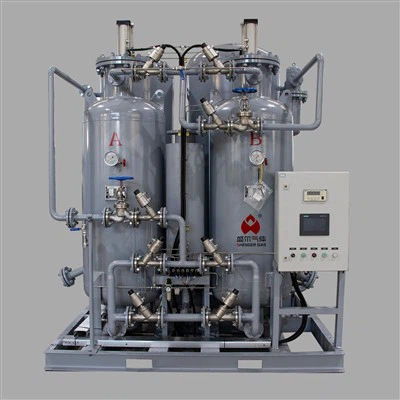
How does the pressure of the nitrogen output from a home nitrogen generator work?
As a supplier of home nitrogen generators, I often get asked about how the pressure of the nitrogen output from these devices works. Understanding this is crucial for anyone looking to use a home nitrogen generator, whether it's for food packaging, laboratory use, or other applications. In this blog post, I'll explain the basics of how the pressure of nitrogen output from a home nitrogen generator functions and why it matters.
The Basics of a Home Nitrogen Generator
Before delving into the pressure aspect, let's briefly understand how a home nitrogen generator works. A home nitrogen generator typically uses a process called Pressure Swing Adsorption (PSA) or Membrane Separation to produce nitrogen from the air. In the PSA process, air is compressed and passed through a vessel filled with a special adsorbent material, usually zeolite. This material selectively adsorbs oxygen, carbon dioxide, and water vapor, allowing nitrogen to pass through. In membrane separation, air is forced through a semi - permeable membrane, where oxygen and other gases permeate through the membrane at a different rate than nitrogen, resulting in a nitrogen - rich stream.
Pressure in the Nitrogen Generation Process
- Compression Stage
The first step in the nitrogen generation process involves compressing the incoming air. Compression is essential because it increases the pressure of the air, which in turn makes it easier to separate the nitrogen from other gases. The compressor used in a home nitrogen generator can vary in capacity and power, depending on the size and intended use of the generator. A higher - pressure compressor can produce a greater volume of nitrogen in a shorter period. For example, a Large Capacity Nitrogen Generator often has a more powerful compressor to meet the high - demand requirements of industrial or large - scale applications. - Adsorption or Separation under Pressure
In the PSA process, the compressed air is fed into the adsorption vessel. The high pressure forces the oxygen and other impurities to be adsorbed onto the zeolite material. The pressure inside the adsorption vessel is carefully controlled to ensure efficient separation. If the pressure is too low, the adsorption process may not be effective, and the nitrogen purity may be compromised. On the other hand, if the pressure is too high, it can put unnecessary stress on the equipment and increase energy consumption.
In membrane separation, the pressure difference across the membrane is what drives the separation process. The compressed air is pushed against the membrane, and the gases with different permeation rates separate. The pressure on the feed side of the membrane needs to be maintained at an optimal level to achieve the desired nitrogen purity and flow rate. - Pressure Regulation of the Output Nitrogen
Once the nitrogen is separated from the air, it needs to be regulated to the appropriate pressure for the intended application. A pressure regulator is used to control the output pressure of the nitrogen. This ensures that the nitrogen is delivered at a consistent and safe pressure. For example, in food packaging applications, the nitrogen needs to be delivered at a specific pressure to properly flush the packaging and prevent spoilage. A Food Packaging Nitrogen Generator is designed to provide nitrogen at the right pressure for this purpose.
Factors Affecting Nitrogen Output Pressure
- Compressor Capacity
The capacity of the compressor directly affects the pressure of the incoming air and, subsequently, the output nitrogen pressure. A larger compressor can generate higher pressures, which can lead to a greater volume of nitrogen production. However, it's important to note that the compressor capacity should be matched to the requirements of the nitrogen generator and the application. An oversized compressor can lead to higher energy costs and unnecessary wear and tear on the equipment. - Adsorbent or Membrane Properties
The properties of the adsorbent material in a PSA system or the membrane in a membrane separation system can also affect the output pressure. Different adsorbents have different adsorption capacities and require different operating pressures. Similarly, membranes have different permeation characteristics, and the pressure difference across the membrane needs to be adjusted accordingly. - System Design and Configuration
The overall design and configuration of the nitrogen generator system play a role in determining the output pressure. For example, the size and length of the pipes, the number of valves, and the layout of the system can all impact the pressure drop and, therefore, the output pressure. A well - designed system with minimal pressure drop will be more efficient in delivering nitrogen at the desired pressure.
Importance of Proper Nitrogen Output Pressure
- Application Requirements
Different applications require different nitrogen pressures. For example, in a laboratory setting, some experiments may require nitrogen at a very low pressure, while others may need a higher pressure for specific processes. In food packaging, the nitrogen pressure needs to be just right to ensure proper flushing and preservation of the food. If the pressure is too low, the packaging may not be properly flushed, leading to spoilage. If the pressure is too high, it can damage the packaging. - Equipment Safety
Maintaining the proper nitrogen output pressure is also crucial for the safety of the equipment. Excessive pressure can cause damage to the pipes, valves, and other components of the nitrogen generator system. It can also lead to leaks, which can be a safety hazard. On the other hand, too low a pressure may not allow the system to function properly, leading to inefficient nitrogen production.
Conclusion
Understanding how the pressure of the nitrogen output from a home nitrogen generator works is essential for both the proper operation of the generator and the success of the applications it serves. Whether you're using a Modular Nitrogen Generator Skid for industrial purposes or a smaller home - use generator, paying attention to the pressure aspects can ensure efficient and safe nitrogen production.
If you're interested in purchasing a home nitrogen generator or have any questions about nitrogen output pressure, we're here to help. Our team of experts can provide you with detailed information and guidance to ensure you get the right generator for your needs. Contact us to start a procurement discussion and find the best solution for your nitrogen generation requirements.


References
- Perry, R. H., & Green, D. W. (1997). Perry's Chemical Engineers' Handbook. McGraw - Hill.
- Yang, R. T. (1987). Gas Separation by Adsorption Processes. Butterworths.