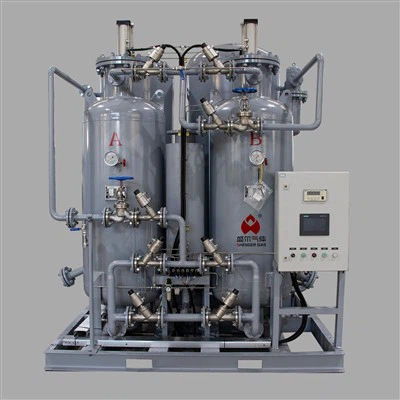
In the world of laboratory equipment, nitrogen generators are a game - changer. As a lab nitrogen generator supplier, I've had the privilege of seeing how these machines revolutionize scientific research and industrial applications. Today, I want to dig deep into one of the key components of a membrane - based lab nitrogen generator: the membrane. So, let's talk about how this membrane works and why it's so important.
The Basics of Lab Nitrogen Generators
Before we get into the nitty - gritty of the membrane, let's quickly cover what a lab nitrogen generator is for. These generators are used to produce high - purity nitrogen gas right in the lab. It's way more convenient than relying on nitrogen gas cylinders, which need to be refilled regularly and can be a hassle to handle.
There are different types of nitrogen generators out there. Two popular ones are the PV Nitrogen Generator and the Membrane Nitrogen Generator. In this blog, we're focusing on the membrane - based ones.
What is a Membrane in a Nitrogen Generator?
The membrane in a membrane - based lab nitrogen generator is a thin, semi - permeable material. Think of it like a super - fine filter, but instead of just blocking big particles, it separates different gases based on how easily they can pass through it.
The membrane is usually made up of polymers. These polymers have tiny pores or channels in them. The size and structure of these pores are carefully engineered to allow certain gases to pass through more quickly than others.
How the Membrane Separates Gases
The process of separating gases in a membrane - based nitrogen generator starts with compressed air. Compressed air is a mixture of different gases, mainly nitrogen (about 78%) and oxygen (about 21%), along with small amounts of other gases like argon, carbon dioxide, and water vapor.
When this compressed air is fed into the membrane, the different gases start to interact with the membrane's surface. Some gases, like oxygen, carbon dioxide, and water vapor, have a high affinity for the membrane material. They dissolve into the polymer and then diffuse through the membrane more quickly.


On the other hand, nitrogen has a lower affinity for the membrane. It doesn't dissolve into the polymer as readily, so it diffuses through the membrane much more slowly. As a result, when the compressed air passes through the membrane, the oxygen, carbon dioxide, and water vapor rush out through the membrane pores faster, leaving behind a stream of nitrogen - enriched gas on the other side.
This process is all about the differences in the diffusion rates of the gases. The rate at which a gas diffuses through the membrane depends on its molecular size, shape, and solubility in the membrane material. Gases with smaller molecules and higher solubility in the membrane will pass through more quickly.
The Importance of Membrane Properties
The properties of the membrane are crucial for the efficiency of the nitrogen generator. Here are some key factors:
- Selectivity: Selectivity refers to the membrane's ability to separate nitrogen from other gases. A highly selective membrane will allow a large difference in the diffusion rates of nitrogen and other gases, resulting in high - purity nitrogen. For example, if a membrane has a high selectivity for nitrogen over oxygen, it will let oxygen pass through much faster, leaving a higher concentration of nitrogen behind.
- Permeability: Permeability is how easily a gas can pass through the membrane. A membrane with high permeability for oxygen, carbon dioxide, and water vapor means that these unwanted gases can be removed quickly from the compressed air. However, there's a trade - off between selectivity and permeability. Sometimes, increasing the permeability can reduce the selectivity, so the membrane design needs to balance these two factors.
- Durability: The membrane has to withstand the pressure of the compressed air and the chemical environment inside the nitrogen generator. It needs to be durable enough to last a long time without getting damaged or losing its separation properties.
Fine - Tuning the Nitrogen Generation Process
The performance of a membrane - based lab nitrogen generator can be adjusted in several ways. The pressure of the compressed air going into the membrane is one important factor. Higher pressure can increase the driving force for gas diffusion through the membrane, but there's a limit. If the pressure is too high, it can damage the membrane or reduce the selectivity.
The temperature also affects the gas separation process. Generally, higher temperatures can increase the diffusion rates of gases, but it can also change the properties of the membrane material. So, the temperature inside the nitrogen generator needs to be carefully controlled.
The flow rate of the compressed air is another variable. A slower flow rate allows more time for the gases to interact with the membrane and be separated. However, if the flow rate is too slow, the nitrogen production rate will be low. On the other hand, a very high flow rate might not give the gases enough time to separate properly.
Applications of Membrane - Based Nitrogen Generators
Thanks to their unique working principle, membrane - based nitrogen generators are used in various applications in the lab and industry. In the laboratory, they're used for things like gas chromatography, where high - purity nitrogen is needed as a carrier gas. They're also used in glove boxes and other inert gas environments to prevent oxidation and contamination.
In the industrial sector, Industrial Solar N2 Production benefits from these nitrogen generators. Nitrogen is used in solar panel manufacturing to create an inert atmosphere during the production process, which helps improve the quality and efficiency of the solar panels.
Why Choose a Membrane - Based Nitrogen Generator
As a supplier, I often get asked why someone should choose a membrane - based nitrogen generator over other types. Well, there are several reasons. First of all, they're relatively simple in design. There are fewer moving parts compared to some other nitrogen generation technologies, which means less maintenance and a lower chance of breakdowns.
They're also very flexible. You can adjust the nitrogen purity and flow rate according to your specific needs. And since they can produce nitrogen on - site, you don't have to worry about running out of nitrogen or dealing with the logistics of cylinder delivery.
Contact Us for Your Nitrogen Generator Needs
If you're in the market for a lab nitrogen generator, whether it's a membrane - based one or another type, we're here to help. We have a wide range of products that can meet different requirements in terms of nitrogen purity, flow rate, and application.
Our team of experts can provide you with detailed information about our nitrogen generators and help you choose the right one for your lab or industrial facility. We're committed to providing high - quality products and excellent customer service. So, don't hesitate to reach out and start a conversation about your nitrogen generation needs.
References
- "Gas Separation Membranes: Principles and Applications", by Richard W. Baker
- "Handbook of Industrial Membrane Technology", edited by Mark Cheryan