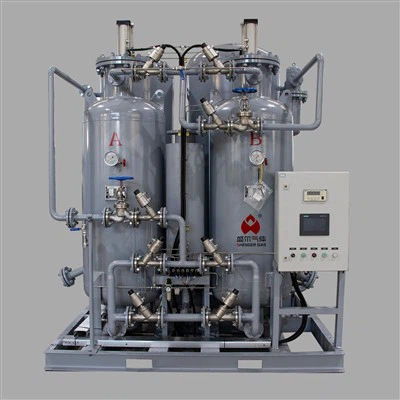
An onsite nitrogen generator is a remarkable piece of equipment that has found applications in various industries. As a reliable supplier of onsite nitrogen generators, we often receive inquiries about whether these generators can be effectively used for tire inflation. In this blog, we will explore the feasibility, advantages, and considerations of using an onsite nitrogen generator for tire inflation.
The Science Behind Tire Inflation with Nitrogen
Before delving into the suitability of onsite nitrogen generators for tire inflation, it's essential to understand the science behind using nitrogen in tires. Air, which is commonly used to inflate tires, is composed of approximately 78% nitrogen, 21% oxygen, and small amounts of other gases such as argon and carbon dioxide. When oxygen is present in tires, it can cause oxidation of the rubber and steel belts within the tire. This oxidation can lead to the degradation of the tire's structure over time, reducing its lifespan.
Nitrogen, on the other hand, is an inert gas. It does not react with the rubber or steel components in the tire. By filling tires with nitrogen, we can significantly reduce the rate of oxidation, thereby extending the tire's life. Additionally, nitrogen molecules are larger than oxygen molecules. This means that nitrogen leaks out of the tire at a much slower rate than oxygen. As a result, tires inflated with nitrogen maintain their pressure more consistently, leading to better fuel efficiency and improved handling.
Feasibility of Using Onsite Nitrogen Generators for Tire Inflation
Onsite nitrogen generators work on the principle of separating nitrogen from the surrounding air. There are two main types of onsite nitrogen generators: Pressure Swing Adsorption (PSA) and Membrane separation. PSA generators use a carbon molecular sieve to adsorb oxygen and other impurities from the air, allowing nitrogen to pass through. Membrane separation generators, on the other hand, use a semi - permeable membrane to separate nitrogen from oxygen based on their different permeation rates.
Both types of generators are capable of producing high - purity nitrogen, which makes them suitable for tire inflation. The high - purity nitrogen produced by these generators can meet the requirements for tire inflation, ensuring that the benefits of using nitrogen in tires are fully realized. Moreover, having an onsite nitrogen generator provides a continuous and reliable source of nitrogen, eliminating the need to rely on nitrogen cylinders or external suppliers.


Advantages of Using Onsite Nitrogen Generators for Tire Inflation
Cost - Effectiveness
One of the most significant advantages of using an onsite nitrogen generator for tire inflation is cost - effectiveness. Purchasing nitrogen in cylinders can be expensive, especially for large - scale operations such as tire shops or vehicle fleets. With an onsite nitrogen generator, the cost of producing nitrogen is significantly lower in the long run. Once the initial investment in the generator is made, the only ongoing costs are electricity and minimal maintenance, which are much more affordable compared to continuously buying nitrogen cylinders.
Convenience
Onsite nitrogen generators offer unparalleled convenience. You no longer have to wait for nitrogen cylinder deliveries or worry about running out of nitrogen during peak business hours. With an onsite generator, you can produce nitrogen on demand, whenever you need it. This is particularly beneficial for tire shops and automotive service centers, where time is of the essence.
Environmental Benefits
Using an onsite nitrogen generator is also environmentally friendly. Nitrogen cylinders require energy for production, transportation, and recycling. By producing nitrogen onsite, you can reduce the carbon footprint associated with these processes. Additionally, since nitrogen is a naturally occurring gas, there is no risk of environmental pollution when using it for tire inflation.
Considerations When Using Onsite Nitrogen Generators for Tire Inflation
Purity Requirements
For tire inflation, a nitrogen purity level of around 95% - 99% is generally sufficient. However, it's important to ensure that the onsite nitrogen generator you choose is capable of producing nitrogen within this purity range consistently. Some applications may require higher purity levels, and in such cases, you may need to invest in a more advanced generator, such as an Ultra High Purity Nitrogen Generator.
Flow Rate
The flow rate of the nitrogen generator is another crucial factor to consider. The flow rate determines how quickly you can inflate tires. For high - volume operations, a generator with a higher flow rate is necessary to ensure efficient tire inflation. Make sure to choose a generator with a flow rate that matches your specific needs.
Maintenance
Like any piece of equipment, onsite nitrogen generators require regular maintenance to ensure optimal performance. This includes replacing filters, checking the adsorption beds (for PSA generators), and inspecting the membranes (for membrane separation generators). It's important to follow the manufacturer's maintenance guidelines to keep the generator running smoothly and to avoid any unexpected breakdowns.
Applications in Different Settings
Tire Shops
Tire shops can greatly benefit from using onsite nitrogen generators. They can offer nitrogen tire inflation as an additional service to their customers, which can set them apart from competitors. With an onsite generator, they can provide a continuous supply of nitrogen, ensuring that they can meet the demand for tire inflation services efficiently.
Vehicle Fleets
Vehicle fleets, such as those of delivery companies or public transportation systems, can also reap the rewards of using nitrogen - inflated tires. By using an onsite nitrogen generator, they can ensure that all their vehicles' tires are properly inflated with nitrogen, leading to improved fuel efficiency, longer tire life, and better overall vehicle performance. This can result in significant cost savings over time.
Automotive Service Centers
Automotive service centers can use onsite nitrogen generators to provide comprehensive tire services. In addition to tire inflation, nitrogen can also be used in other automotive applications, such as purging air - conditioning systems. Having an onsite generator allows service centers to offer a wider range of services, enhancing their competitiveness in the market.
Other Applications of Onsite Nitrogen Generators
Onsite nitrogen generators have a wide range of applications beyond tire inflation. For example, in laboratories, they are used for various analytical and experimental purposes. You can learn more about Nitrogen Generator for Laboratory. On ships, onboard nitrogen generators are used for inerting systems to prevent explosions in fuel tanks. Check out Onboard Nitrogen Generator for more details.
Conclusion and Call to Action
In conclusion, using an onsite nitrogen generator for tire inflation is not only feasible but also offers numerous advantages in terms of cost, convenience, and environmental friendliness. If you are a tire shop owner, a vehicle fleet manager, or an automotive service center operator, investing in an onsite nitrogen generator can be a wise decision that will pay off in the long run.
As a leading supplier of onsite nitrogen generators, we are committed to providing high - quality products and excellent customer service. If you are interested in purchasing an onsite nitrogen generator for tire inflation or other applications, we invite you to contact us to discuss your specific requirements and get a personalized quote. Our team of experts will be happy to assist you in finding the most suitable generator for your needs.
References
- "The Benefits of Nitrogen Tire Inflation" - Tire Industry Association
- "Onsite Nitrogen Generation: A Technical Overview" - Industrial Gas Journal
- "The Science of Nitrogen in Tires" - Automotive Research Institute