What is the working noise level of a nitrogen generator?
As a supplier of nitrogen generators, I often encounter inquiries from customers regarding various aspects of our products, and one question that frequently comes up is about the working noise level of nitrogen generators. Understanding the noise level is crucial for many applications, especially those in environments where noise can cause disruptions or pose safety concerns.


Factors Affecting the Noise Level of Nitrogen Generators
The noise level of a nitrogen generator is influenced by several factors. Firstly, the type of technology used in the nitrogen generation process plays a significant role. There are mainly two types of nitrogen generators: Pressure Swing Adsorption (PSA) and Membrane Separation.
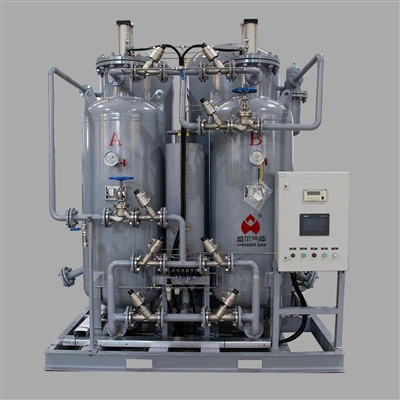
PSA nitrogen generators work by using adsorbent materials to separate nitrogen from other gases in the air. The process involves pressurizing and depressurizing the adsorption vessels, which can generate noise. The compressors used in PSA systems are also a major source of noise. The size and power of the compressor directly affect the noise level. Larger compressors with higher power outputs tend to produce more noise. Additionally, the quality and design of the compressor can impact the noise it generates. Well - designed compressors with advanced noise - reduction features can operate more quietly.
On the other hand, Membrane Separation Nitrogen Production System uses a semi - permeable membrane to separate nitrogen from oxygen and other gases. The main source of noise in membrane separation nitrogen generators is typically the feed air compressor. However, compared to PSA systems, membrane separation systems generally have a simpler mechanical structure, which can result in relatively lower noise levels.
The operating conditions of the nitrogen generator also affect the noise level. For example, if the generator is running at a high flow rate or pressure, it may produce more noise. The ambient temperature and humidity can also have an impact. In high - humidity environments, the performance of the adsorbent materials in PSA systems may be affected, which could potentially lead to increased noise during the adsorption and desorption cycles.
Moreover, the installation and maintenance of the nitrogen generator can influence the noise level. If the generator is not properly installed, it may vibrate more, causing additional noise. Regular maintenance, such as cleaning the filters, lubricating the moving parts, and checking the tightness of connections, can help keep the noise level under control.
Typical Noise Levels of Nitrogen Generators
In general, the noise level of nitrogen generators can range from around 60 decibels (dB) to 90 dB or more, depending on the factors mentioned above. Small - scale nitrogen generators used in laboratories or small workshops may have noise levels in the range of 60 - 70 dB. This is similar to the noise level of normal conversation, which is usually considered acceptable in most indoor environments.
Medium - sized nitrogen generators used in industrial applications, such as food packaging or electronics manufacturing, may have noise levels between 70 - 80 dB. While this level of noise is still relatively tolerable for short - term exposure, continuous exposure to such noise levels over long periods can cause hearing damage.
Large - scale nitrogen generators, especially those used in heavy industries like the steel industry, can produce noise levels of 80 - 90 dB or even higher. For example, PSA Nitrogen Generator For Steel Plant often operate at high pressures and flow rates, which can generate significant noise. In such cases, proper noise - control measures need to be implemented to protect the workers' hearing and comply with safety regulations.
Noise - Control Measures for Nitrogen Generators
To reduce the noise level of nitrogen generators, several measures can be taken. One of the most common methods is to install sound - insulating enclosures around the generator. These enclosures are made of materials with good sound - absorption properties, such as acoustic foam or fiberglass. The enclosure can effectively block the noise from spreading to the surrounding environment.
Another approach is to use vibration - isolation mounts. These mounts are placed between the generator and the floor or the supporting structure. They help reduce the vibration transmitted from the generator to the surrounding surfaces, which in turn reduces the noise caused by vibration.
In addition, selecting high - quality components with low - noise characteristics can also help. For example, choosing a compressor with a low - noise design can significantly reduce the overall noise level of the nitrogen generator. Regular maintenance and inspection of the generator can ensure that all components are working properly and that any potential sources of excessive noise are addressed in a timely manner.
Importance of Considering Noise Level in Nitrogen Generator Selection
When choosing a nitrogen generator, considering the noise level is of great importance. In some applications, such as in hospitals or research laboratories, a quiet working environment is essential. A noisy nitrogen generator can interfere with the normal operation of the facility and may even affect the accuracy of scientific experiments.
In industrial settings, high noise levels can pose a serious threat to the health and safety of workers. Prolonged exposure to high - level noise can lead to hearing loss, stress, and other health problems. Therefore, complying with noise - control regulations is not only a moral obligation but also a legal requirement for many industries.
Our Company's Commitment to Low - Noise Nitrogen Generators
At our company, we understand the importance of low - noise nitrogen generators. We offer a wide range of nitrogen generators, including Zero Carbon Nitrogen Generator, which are designed with advanced noise - reduction technologies. Our engineers continuously work on improving the design of our generators to minimize the noise level without compromising the performance and efficiency.
We conduct strict noise - level tests on all our nitrogen generators before they are shipped to customers. This ensures that our products meet the highest standards of noise control. Whether you need a small - scale nitrogen generator for a laboratory or a large - scale one for an industrial plant, we have the right solution for you.
Contact Us for Your Nitrogen Generator Needs
If you are interested in purchasing a nitrogen generator and want to know more about the working noise level or other features of our products, please feel free to contact us. Our team of experts is ready to provide you with detailed information and help you select the most suitable nitrogen generator for your specific requirements. We look forward to the opportunity to work with you and provide you with high - quality nitrogen generation solutions.
References
- Gas Separation Handbook, Wiley - VCH Verlag GmbH & Co. KGaA
- Industrial Gas Processing Technology, Elsevier