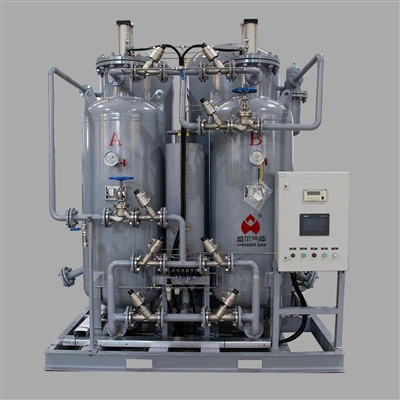
Vibration is a common physical phenomenon that can have various impacts on industrial equipment. As a supplier of Purity Nitrogen Generators, understanding the effects of vibration on our products is crucial for ensuring optimal performance, reliability, and longevity. In this blog post, we will explore the impact of vibration on a Purity Nitrogen Generator from multiple perspectives, including its components, operation, and overall efficiency.
Impact on Generator Components
Adsorbent Beds
One of the key components of a Purity Nitrogen Generator is the adsorbent bed, which typically uses materials like carbon molecular sieve (CMS) to separate nitrogen from other gases in the air through pressure swing adsorption (PSA) process. Vibration can cause the adsorbent particles to rub against each other, leading to attrition. Over time, this attrition can reduce the surface area of the adsorbent available for gas adsorption, thereby decreasing the separation efficiency of the nitrogen generator. As the adsorbent degrades, the purity of the generated nitrogen may also decline, making it less suitable for applications that require high - purity nitrogen, such as electronics manufacturing and food packaging.
Valves and Piping
Vibration can put stress on the valves and piping systems within the nitrogen generator. Valves are essential for controlling the flow of gases and maintaining the proper pressure during the PSA cycle. Excessive vibration can cause the valve seats to wear out prematurely, resulting in leaks. These leaks not only affect the nitrogen production rate but also increase the energy consumption of the generator as it has to work harder to maintain the desired pressure. In the case of piping, vibration can lead to cracks or loosening of joints. A cracked pipe can cause gas leakage, which is not only a waste of resources but also poses safety risks, especially in environments where nitrogen leakage can displace oxygen and create an asphyxiation hazard.
Compressor
The compressor is responsible for providing the necessary pressure to drive the PSA process. Vibration can have a significant impact on the compressor's performance and reliability. It can cause misalignment of the compressor's internal components, such as the pistons and cylinders, which can lead to increased friction and wear. This, in turn, can reduce the compressor's efficiency and increase the likelihood of breakdowns. Additionally, vibration - induced stress on the compressor's motor and electrical connections can result in electrical problems, such as short circuits or power outages, disrupting the operation of the entire nitrogen generator.
Impact on Generator Operation
PSA Cycle Stability
The PSA process in a Purity Nitrogen Generator relies on a precise sequence of pressure changes and gas flow rates to achieve efficient nitrogen separation. Vibration can disrupt this delicate balance by causing fluctuations in pressure and flow. For example, if the vibration causes the valves to open or close at the wrong time, the PSA cycle may not function correctly. This can lead to inconsistent nitrogen production, with periods of low - purity nitrogen output or reduced nitrogen flow rates. Maintaining a stable PSA cycle is essential for ensuring a continuous supply of high - purity nitrogen, and vibration can pose a significant threat to this stability.
Sensor Accuracy
Modern Purity Nitrogen Generators are equipped with various sensors to monitor parameters such as pressure, temperature, and nitrogen purity. Vibration can affect the accuracy of these sensors. For instance, vibration can cause the sensor elements to shift or oscillate, leading to inaccurate readings. This can be particularly problematic as the generator's control system relies on these sensor data to adjust the operating parameters. If the sensor readings are inaccurate, the generator may not be able to optimize its performance, resulting in sub - optimal nitrogen production or increased energy consumption.
Impact on Overall Efficiency
Energy Consumption
As mentioned earlier, vibration can cause leaks in valves and piping and misalignment in the compressor, all of which contribute to increased energy consumption. When the generator is operating inefficiently due to vibration - related issues, it has to work harder to produce the same amount of high - purity nitrogen. This not only increases the operating cost but also has a negative environmental impact as more energy is consumed. In industries where the nitrogen generator operates continuously, such as the chemical industry, even a small increase in energy consumption can result in significant additional costs over time.
Maintenance Requirements
Vibration - induced wear and tear on the generator's components increase the frequency and complexity of maintenance tasks. More frequent replacement of adsorbent materials, valves, and compressor parts is required, which not only incurs additional costs but also leads to longer downtime for the generator. During maintenance periods, the supply of nitrogen is interrupted, which can be a problem for industries that rely on a continuous nitrogen supply, such as the pharmaceutical industry. Moreover, the need for more frequent maintenance increases the workload on maintenance staff and may require additional training to handle the specific issues caused by vibration.


Mitigation Strategies
To minimize the impact of vibration on a Purity Nitrogen Generator, several mitigation strategies can be employed. Firstly, proper installation is crucial. The generator should be installed on a stable and level foundation to reduce the transmission of external vibrations. Anti - vibration mounts can also be used to isolate the generator from the surrounding environment. Secondly, regular maintenance and inspection should be carried out to detect and address vibration - related issues early. This includes checking the alignment of components, the integrity of valves and piping, and the accuracy of sensors. Additionally, using high - quality components that are more resistant to vibration can improve the overall reliability of the generator.
Conclusion
In conclusion, vibration can have a significant impact on a Purity Nitrogen Generator, affecting its components, operation, and overall efficiency. As a [Supplier] of Purity Nitrogen Generators, we are committed to providing our customers with high - quality products that are designed to withstand the challenges posed by vibration. We offer a range of products, including Biological Nitrogen Production Equipment, 99.999% Purity Nitrogen Generator, and 99% PSA Nitrogen Generator, which are engineered to minimize the negative effects of vibration through advanced design and high - quality materials.
If you are interested in purchasing a Purity Nitrogen Generator or have any questions about how vibration may impact your specific application, please feel free to contact us for a detailed discussion and customized solutions.
References
- Smith, J. (2018). "The Effects of Vibration on Industrial Gas Separation Equipment." Journal of Industrial Engineering.
- Johnson, R. (2019). "Optimizing the Performance of Pressure Swing Adsorption Nitrogen Generators." Chemical Engineering Magazine.
- Brown, K. (2020). "Maintenance Strategies for Vibration - Sensitive Industrial Equipment." Industrial Maintenance Journal.