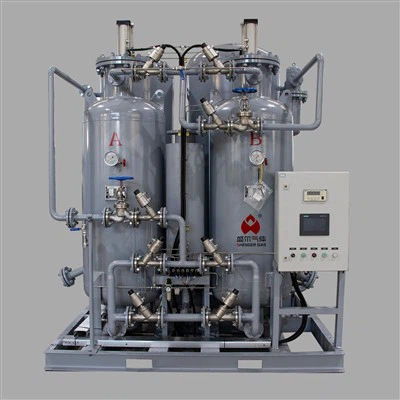
Nitrogen generation units are widely used across various industries due to their ability to produce nitrogen gas on - site, which offers cost - effectiveness, independence from gas suppliers, and a reliable supply of high - purity nitrogen. As a supplier of nitrogen generation units, understanding the energy consumption of these units is crucial for customers to make informed decisions.
How Nitrogen Generation Units Work
Before delving into energy consumption, it's important to understand how nitrogen generation units operate. There are two main types: Pressure Swing Adsorption (PSA) and Membrane separation.
In a PSA nitrogen generation unit, compressed air is passed through a vessel filled with a molecular sieve. The sieve preferentially adsorbs oxygen, allowing nitrogen to pass through and be collected. When the sieve is saturated with oxygen, the pressure is reduced, and the oxygen is desorbed. This process is cyclical, with two or more vessels typically operating in tandem to ensure continuous nitrogen production.


On the other hand, membrane separation units use a semi - permeable membrane. Compressed air is forced through the membrane, and oxygen and other impurities permeate through the membrane at a faster rate than nitrogen, resulting in the production of nitrogen gas.
Factors Affecting Energy Consumption
Compressor Power
The compressor is the most significant energy - consuming component in a nitrogen generation unit. It is responsible for compressing the incoming air to the required pressure for the separation process. The power of the compressor depends on several factors, including the required nitrogen flow rate and purity, as well as the operating pressure. For instance, a higher nitrogen flow rate or purity level generally requires a more powerful compressor, which in turn consumes more energy.
Separation Process Efficiency
The efficiency of the separation process also plays a vital role in energy consumption. In PSA units, the properties of the molecular sieve, such as its adsorption capacity and selectivity for oxygen, can impact energy efficiency. High - quality molecular sieves with better adsorption characteristics can separate nitrogen from oxygen more effectively, reducing the amount of energy needed for compression and separation. Similarly, in membrane separation units, the quality and structure of the membrane influence the separation efficiency. A well - designed membrane can allow for more efficient separation of nitrogen from oxygen, resulting in lower energy consumption.
System Design and Configuration
The overall design and configuration of the nitrogen generation unit can affect energy consumption. For example, a well - insulated system can reduce heat loss, which is especially important as compression often generates a significant amount of heat. Additionally, the layout of the piping and valves can impact pressure drop. A system with minimal pressure drop requires less energy from the compressor to maintain the required pressure for the separation process.
Calculating Energy Consumption
The energy consumption of a nitrogen generation unit is typically measured in kilowatt - hours (kWh) per cubic meter or cubic foot of nitrogen produced. To calculate the approximate energy consumption, you need to know the power rating of the compressor (in kilowatts) and the operating time.
Let (P) be the power of the compressor in kilowatts, and (t) be the operating time in hours. The energy consumption (E) (in kWh) is given by the formula (E = P\times t). To relate this to the amount of nitrogen produced, you also need to know the nitrogen production rate (Q) (in cubic meters per hour or cubic feet per hour). The specific energy consumption (SEC) (in kWh per cubic meter or kWh per cubic foot) is then (SEC=\frac{E}{V}), where (V) is the total volume of nitrogen produced over the operating time (t).
It's important to note that the actual energy consumption can vary depending on the operating conditions, such as the inlet air temperature, humidity, and the desired nitrogen purity.
Energy Consumption in Different Applications
High Purity N2 Generator For Reflow Oven
In the electronics industry, High Purity N2 Generator For Reflow Oven units are used to create an inert environment during the soldering process. High - purity nitrogen is required to prevent oxidation of the components. These units typically operate at relatively high purity levels, which can lead to higher energy consumption. The need for a continuous and stable supply of high - purity nitrogen also means the compressor runs for extended periods, increasing the overall energy usage.
Industrial Solar N2 Production
Industrial solar plants often use nitrogen for various purposes, such as purging and preventing oxidation in solar panel manufacturing. Industrial Solar N2 Production units are designed to meet the specific requirements of the solar industry. The energy consumption of these units depends on the scale of the solar plant and the nitrogen demand. In large - scale solar farms, the energy consumption of the nitrogen generation unit can be a significant operational cost. However, advancements in technology are making these units more energy - efficient.
Laboratory Nitrogen Generator
Laboratories require nitrogen for a variety of applications, such as gas chromatography and mass spectrometry. Laboratory Nitrogen Generator units are usually smaller in size compared to industrial units. While they may have lower overall energy consumption, the specific energy consumption can be relatively high due to the need for high - purity nitrogen in small volumes. The intermittent operation of these units also needs to be considered when calculating energy consumption.
Strategies to Reduce Energy Consumption
Optimized System Design
As mentioned earlier, a well - designed system can significantly reduce energy consumption. This includes using high - efficiency compressors, proper insulation, and minimizing pressure drop in the piping. Additionally, using advanced control systems can optimize the operation of the nitrogen generation unit, adjusting the compressor speed and other parameters based on the actual nitrogen demand.
Regular Maintenance
Regular maintenance of the nitrogen generation unit is essential to ensure its efficient operation. This includes replacing the molecular sieve in PSA units or the membrane in membrane separation units at the recommended intervals. Cleaning and servicing the compressor and other components can also improve their performance and reduce energy consumption.
Energy - Efficient Components
Investing in energy - efficient components, such as high - efficiency motors for the compressor, can lead to long - term energy savings. These components may have a higher upfront cost but can result in significant cost savings over the lifetime of the unit.
Conclusion
Understanding the energy consumption of a nitrogen generation unit is essential for both suppliers and customers. As a supplier, we are committed to providing our customers with high - quality nitrogen generation units that are energy - efficient and cost - effective. By considering factors such as compressor power, separation process efficiency, and system design, we can help our customers optimize the energy consumption of their nitrogen generation units.
If you are interested in learning more about our nitrogen generation units or have specific energy - consumption requirements for your application, we encourage you to contact us for a detailed discussion. Our team of experts is ready to assist you in selecting the most suitable unit and providing solutions to reduce energy costs.
References
- Perry, R. H., & Green, D. W. (1997). Perry's Chemical Engineers' Handbook. McGraw - Hill.
- Kohl, A. L., & Nielsen, R. B. (1997). Gas Purification. Gulf Publishing Company.