In the field of gas chromatography (GC), a reliable nitrogen generator is crucial for ensuring accurate and consistent analytical results. As a dedicated supplier of Nitrogen Generators for GC, I understand the importance of these standards and certifications in guaranteeing product quality and safety.
1. The Role of Nitrogen in Gas Chromatography
Nitrogen is widely used in GC as a carrier gas or makeup gas. As a carrier gas, it transports the sample through the chromatography column, separating different components based on their interactions with the stationary phase. As a makeup gas, it helps to shape the detector response, improving sensitivity and resolution. Therefore, the quality and purity of nitrogen directly affect the performance of the GC system.
2. Key Standards for Nitrogen Generators in GC
Purity Standards
The purity of nitrogen is one of the most critical factors in GC applications. Typically, nitrogen generators for GC should provide nitrogen with a purity of at least 99.999%. This high - purity nitrogen minimizes interference and contamination in the chromatographic analysis, ensuring accurate and reproducible results. For instance, in pharmaceutical and environmental analysis, even trace amounts of impurities can lead to false peaks and inaccurate quantification.


Flow and Pressure Stability
Stable flow and pressure of the nitrogen supply are essential for maintaining consistent chromatographic conditions. The flow rate should be adjustable within a specific range and remain stable over time. A fluctuation in flow or pressure can cause variations in retention times and peak shapes, affecting the reliability of the analysis. Industry standards often require that the flow rate variation should be within ±1% and the pressure variation within ±0.5% during normal operation.
Dew Point
The dew point of the nitrogen is another important parameter. A low dew point indicates a low water content in the nitrogen gas. Water in the nitrogen can damage the chromatography column, especially in columns with polar stationary phases, and can also cause problems in the detector. Standards generally recommend that the dew point of nitrogen for GC should be below - 40°C, and in some high - precision applications, it can be required to be as low as - 70°C.
3. Certifications for Nitrogen Generators
ISO Certifications
The International Organization for Standardization (ISO) provides a set of globally recognized standards for various products and processes. ISO 9001 certification indicates that the nitrogen generator manufacturer has a quality management system in place. This means that the company follows strict procedures in product design, production, testing, and after - sales service. ISO 14001 certification, on the other hand, demonstrates the manufacturer's commitment to environmental management, ensuring that the production process is environmentally friendly.
CE Certification
The CE (Conformité Européene) mark is a mandatory certification for products sold in the European Economic Area (EEA). It indicates that the nitrogen generator meets all the relevant European health, safety, and environmental protection requirements. For example, it ensures that the electrical components of the generator are safe to use and that the overall design complies with the European safety standards.
UL Certification
Underwriters Laboratories (UL) certification is mainly recognized in the United States and Canada. UL evaluates products for safety, and a nitrogen generator with UL certification means that it has passed a series of safety tests, including electrical safety, fire resistance, and mechanical safety. This certification is particularly important for products sold in the North American market.
4. Our Nitrogen Generators for GC
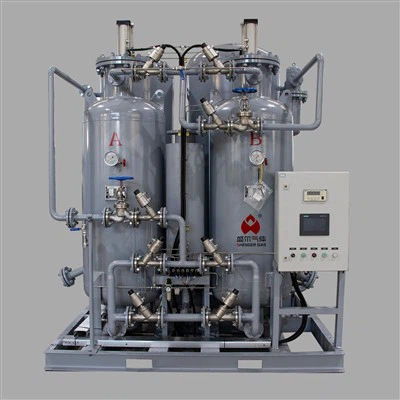
As a professional supplier of Nitrogen Generators for GC, our products are designed to meet and exceed the above - mentioned standards and certifications. We use advanced Pressure Swing Adsorption Nitrogen Generation technology to produce high - purity nitrogen. Our generators can provide nitrogen with a purity of up to 99.9999%, and the flow and pressure are precisely controlled to ensure stable operation.
The dew point of the nitrogen produced by our generators can reach as low as - 70°C, which is suitable for the most demanding GC applications. Moreover, our products are certified by ISO 9001, CE, and UL, which reflects our commitment to product quality and safety.
We also offer a variety of models to meet different customer needs. For example, our Gas Nitrogen Generator is a compact and efficient model, suitable for small - scale laboratories. Our Aviation Nitrogen Generator is designed for higher - flow and more critical applications, such as those in the aviation industry where high - purity nitrogen is used for fuel tank inerting.
5. Choosing the Right Nitrogen Generator for Your GC
When selecting a nitrogen generator for your GC, it is important to consider not only the standards and certifications but also your specific application requirements. You need to determine the required nitrogen purity, flow rate, and pressure according to the type of chromatography column and detector you are using.
It is also advisable to consider the after - sales service provided by the manufacturer. A reliable supplier should be able to offer prompt technical support, regular maintenance, and spare part replacement.
6. Contact Us for Procurement
If you are in the market for a nitrogen generator for your GC application, we invite you to contact us for procurement discussions. Our team of experts will be happy to assist you in selecting the most suitable product based on your specific requirements. We are committed to providing high - quality products and excellent customer service to help you achieve the best results in your chromatographic analysis.
References
- ASTM International. (Year). Standards related to gas purity and quality for analytical applications.
- International Organization for Standardization. (Year). ISO 9001: Quality management systems - Requirements.
- International Organization for Standardization. (Year). ISO 14001: Environmental management systems - Requirements with guidance for use.
- Underwriters Laboratories. (Year). UL standards for safety of gas generators.