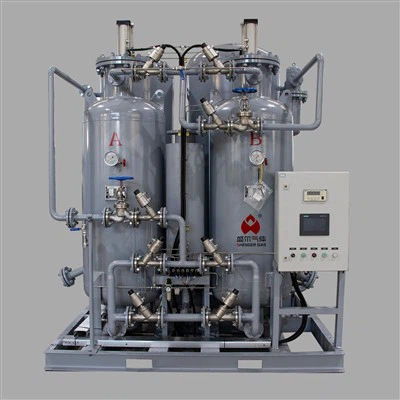
Hey there! As a supplier of Compact Nitrogen Generators, I get a bunch of questions about what it takes to use these nifty machines in laboratories. So, I thought I'd put together a blog post to spill the beans on the requirements.


1. Space and Installation
First off, let's talk about space. Compact Nitrogen Generators are, well, compact. But that doesn't mean you can just plop them anywhere. You need to find a spot that's well - ventilated. Why? These generators produce heat during operation, and proper ventilation helps keep them cool, preventing overheating and potential damage.
The area should also be dry. Moisture is the enemy of most electrical and mechanical equipment. A damp environment can lead to corrosion of the generator's components, which will not only shorten its lifespan but can also affect its performance.
As for installation, make sure the surface is flat and stable. A wobbly surface can cause the generator to vibrate excessively during operation, which might lead to premature wear and tear. You don't want to be dealing with breakdowns because of a wobbly floor!
2. Power Supply
Your Compact Nitrogen Generator needs a reliable power supply. You'll need to check the voltage requirements of the specific model you have or are planning to buy. Most generators operate on standard electrical voltages, but it's always better to double - check.
It's also a good idea to have a dedicated circuit for the generator. This helps prevent power surges and fluctuations from other equipment in the lab from affecting its performance. A power surge can fry the generator's internal components, and you definitely don't want to shell out for expensive repairs.
3. Air Quality and Supply
The quality of the air going into the Compact Nitrogen Generator is super important. The air should be clean and free from dust, oil, and other contaminants. Most generators come with built - in air filters, but these can only do so much. If the air in your lab is really dirty, you might need to install additional pre - filters.
You also need a proper air supply. The generator requires a continuous flow of compressed air to function. The air pressure and flow rate should meet the manufacturer's specifications. If the air supply is too low, the generator won't be able to produce nitrogen at the required rate. On the other hand, if the air pressure is too high, it can damage the internal components of the generator.
4. Operator Training
Using a Compact Nitrogen Generator isn't rocket science, but it's still important that your lab staff is properly trained. They should know how to operate the generator safely and efficiently. This includes understanding how to start and stop the machine, how to monitor its performance, and what to do in case of a malfunction.
Training should also cover maintenance procedures. Simple tasks like changing filters and checking for leaks can go a long way in keeping the generator in good working condition. Regular maintenance not only extends the life of the generator but also ensures that it produces high - quality nitrogen consistently.
5. Safety Precautions
Safety should always be a top priority in the lab. When using a Compact Nitrogen Generator, there are a few safety precautions to keep in mind.
First, make sure there's proper signage around the generator. The signs should indicate that the area contains a nitrogen - generating device and any potential hazards, such as high - pressure areas.
Since nitrogen is an asphyxiant, you need to have proper ventilation to prevent the build - up of nitrogen gas in the lab. In case of a leak, the excess nitrogen should be able to escape easily. You might also want to consider installing a nitrogen gas detector in the lab. This can alert you if the nitrogen levels in the air reach dangerous levels.
6. Monitoring and Maintenance
Regular monitoring of the Compact Nitrogen Generator is essential. You should keep an eye on things like nitrogen purity, flow rate, and pressure. Most generators come with built - in sensors that can display this information. If you notice any abnormal readings, it could be a sign of a problem.
Maintenance is also a must. As I mentioned earlier, changing filters regularly is important. You should also check the generator for any leaks, loose connections, or signs of wear and tear. Following the manufacturer's maintenance schedule will help keep the generator running smoothly.
7. Compatibility with Lab Equipment
Your Compact Nitrogen Generator needs to be compatible with the other equipment in your lab. For example, if you're using it to supply nitrogen to a mass spectrometer, the nitrogen purity and flow rate need to meet the requirements of the spectrometer.
Some lab equipment might require a specific grade of nitrogen. Make sure your generator can produce the right quality of nitrogen for your needs. You can find more detailed information about different nitrogen generator specifications on our Nitrogen Generators Specs page.
8. Regulatory Compliance
There are often regulations regarding the use of nitrogen generators in laboratories. You need to make sure your generator complies with all relevant local, national, and international standards. These regulations can cover things like safety, emissions, and quality control.
Non - compliance can result in fines and other penalties. So, it's worth doing your research and ensuring that your Compact Nitrogen Generator meets all the necessary requirements.
Special Considerations for Different Lab Applications
- Sample Analysis: In labs where sample analysis is the main focus, high - purity nitrogen is often required. For example, in gas chromatography, any impurities in the nitrogen can affect the accuracy of the results. Make sure your generator can produce nitrogen with a purity level suitable for your analysis.
- Food and Beverage Labs: These labs might use nitrogen for packaging to prevent oxidation and spoilage. The nitrogen needs to be food - grade, meaning it meets specific safety standards for use with food products.
- Research Labs: Research labs often have unique requirements. They might need to adjust the nitrogen flow rate and purity depending on the experiment. A generator that offers flexibility in these parameters can be a great asset. You can learn more about specialized nitrogen generators, like the Onboard Nitrogen Generator and Steel Plant Nitrogen Generator, which have their own specific applications and can give you an idea of the range of possibilities.
In conclusion, using a Compact Nitrogen Generator in a laboratory requires careful consideration of several factors. From space and power supply to air quality, operator training, and safety, each aspect plays a crucial role in ensuring the generator works effectively and safely.
If you're in the market for a Compact Nitrogen Generator for your lab, we'd love to chat. We can help you find the right model that meets all your requirements. Don't hesitate to reach out for a consultation and let's start talking about your needs.
References
- Manufacturer's manuals for Compact Nitrogen Generators
- Laboratory safety guidelines and regulations
- Industry standards for nitrogen generation and use