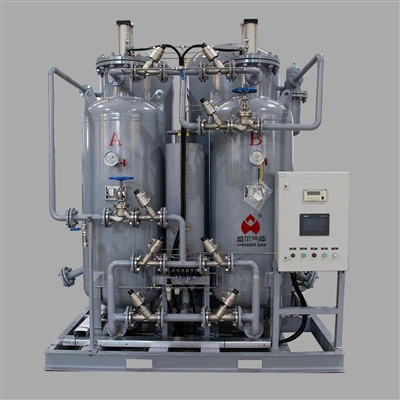
Hey there! As a supplier of Mini Nitrogen Generators, I've seen firsthand the incredible benefits these machines bring to various industries. But with great power comes great responsibility, right? One of the things we often overlook is the waste produced by these generators. In this blog post, I'm gonna share some tips on how to deal with that waste effectively.
First off, let's understand what kind of waste a Mini Nitrogen Generator can produce. These generators typically work by separating nitrogen from the air using a process called Pressure Swing Adsorption (PSA). During this process, there are a few types of waste that can be generated.
One of the main types of waste is the adsorbent material. In PSA nitrogen generators, adsorbents like activated carbon or zeolite are used to trap oxygen and other impurities while allowing nitrogen to pass through. Over time, these adsorbents become saturated and need to be replaced. The used adsorbent material is considered waste.


Another type of waste can be in the form of oil and water condensate. If the generator has an air compressor, it will produce condensate as the compressed air cools down. This condensate can contain oil, water, and other contaminants, and it needs to be properly managed.
So, how do we deal with this waste?
Recycling and Reusing Adsorbent Materials
When it comes to the used adsorbent material, recycling is a great option. Some companies specialize in recycling adsorbents. They can extract valuable components from the used adsorbents and reuse them in the manufacturing of new adsorbents. This not only reduces waste but also saves on the cost of new adsorbent materials.
Before sending the used adsorbents for recycling, make sure to check with the recycling company about their requirements. They may need the adsorbents to be in a certain condition or form. You can also look into the possibility of reusing the adsorbents within your own facility if they still have some useful life left. For example, they could be used in less critical applications where the purity requirements are not as high.
Proper Disposal of Oil and Water Condensate
The oil and water condensate from the air compressor needs to be treated before disposal. There are several methods for treating this condensate. One common method is to use an oil-water separator. This device separates the oil from the water, allowing the water to be safely discharged while the oil can be collected for proper disposal.
It's important to follow local environmental regulations when disposing of the treated water and collected oil. In some areas, the treated water may need to meet certain quality standards before it can be discharged into the sewer system. The collected oil may need to be sent to a licensed waste disposal facility.
Minimizing Waste Generation
Prevention is always better than cure, right? One way to deal with waste is to minimize its generation in the first place. Here are some tips to reduce waste from your Mini Nitrogen Generator:
- Regular Maintenance: Keep your generator well-maintained. This includes changing filters on time, checking for leaks, and ensuring that all components are working properly. Regular maintenance can extend the life of the adsorbent materials and reduce the amount of waste generated.
- Optimize Operation: Make sure your generator is operating at its optimal capacity. Overloading the generator can cause the adsorbents to become saturated more quickly, leading to more frequent replacements. On the other hand, underutilizing the generator can also be inefficient and may lead to unnecessary waste.
Industry-Specific Considerations
Different industries have different requirements and waste management challenges when using Mini Nitrogen Generators. Let's take a look at a few examples:
- Steel Industry: In the steel industry, nitrogen is used for various processes such as purging, blanketing, and as a carrier gas. A Nitrogen Generator For Steel Industry may need to produce nitrogen at a high purity level. The waste management in this industry may involve dealing with more specialized adsorbent materials and higher volumes of condensate due to the large-scale operations.
- Shipping Industry: Ship Nitrogen Generator are used to inert cargo tanks and prevent the formation of explosive mixtures. The waste management on ships needs to comply with international maritime regulations. This may include proper storage and disposal of waste during long voyages.
- Grain Silos: Nitrogen is used in grain silos to prevent the growth of pests and fungi. A PSA Nitrogen Generator For Grain Silos may need to be designed to operate in a relatively clean environment. However, the waste management still needs to be taken seriously to ensure the safety and quality of the stored grains.
As a Mini Nitrogen Generator supplier, I'm always here to help you with any questions you may have about waste management. Whether you're in the steel industry, shipping industry, or using our generators for grain silos, we can provide you with the right advice and solutions.
If you're interested in purchasing a Mini Nitrogen Generator or need more information about our products and waste management services, don't hesitate to reach out. We're eager to work with you and help you find the best solutions for your nitrogen generation needs.
References
- "Pressure Swing Adsorption Technology" - Chemical Engineering Handbook
- "Waste Management Best Practices for Industrial Gas Generators" - Environmental Protection Agency Publications