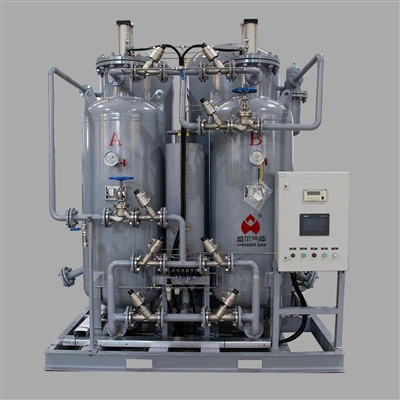
Controlling the flow rate of oxygen in a cryogenic oxygen plant is a crucial aspect of ensuring efficient and safe operation. As a leading supplier of cryogenic oxygen plants, we understand the importance of precision in this process. In this blog, we will explore the various methods and factors involved in controlling the flow rate of oxygen in a cryogenic oxygen plant.
Understanding the Basics of a Cryogenic Oxygen Plant
Before delving into the flow rate control, it is essential to have a basic understanding of how a cryogenic oxygen plant works. A cryogenic oxygen plant operates on the principle of liquefying air at extremely low temperatures and then separating its components, such as oxygen, nitrogen, and argon, through fractional distillation. The process involves several stages, including air compression, purification, cooling, and distillation.
Importance of Controlling Oxygen Flow Rate
The flow rate of oxygen in a cryogenic oxygen plant needs to be carefully controlled for several reasons. Firstly, it ensures that the plant operates at optimal efficiency. If the flow rate is too high, it can lead to increased energy consumption and wear and tear on the equipment. On the other hand, if the flow rate is too low, it may not meet the production requirements.
Secondly, controlling the oxygen flow rate is crucial for safety reasons. Oxygen is a highly reactive gas, and improper flow rate control can lead to the formation of explosive mixtures or other hazardous conditions. Therefore, precise flow rate control is necessary to prevent accidents and ensure the safety of the plant and its operators.
Factors Affecting Oxygen Flow Rate
Several factors can affect the flow rate of oxygen in a cryogenic oxygen plant. These include:
- Pressure: The pressure difference across the flow control device is a significant factor in determining the flow rate. Higher pressure differences generally result in higher flow rates. However, it is important to maintain the pressure within the safe operating limits of the plant.
- Temperature: The temperature of the oxygen can also affect its flow rate. As the temperature decreases, the density of oxygen increases, which can lead to a decrease in the flow rate. Therefore, temperature control is essential to ensure consistent flow rates.
- Pipe Diameter and Length: The diameter and length of the pipes through which the oxygen flows can have a significant impact on the flow rate. Smaller pipe diameters and longer pipe lengths generally result in higher resistance to flow, which can reduce the flow rate.
- Valve Characteristics: The type and characteristics of the valves used in the flow control system can also affect the flow rate. Different valves have different flow coefficients and opening characteristics, which need to be carefully selected and adjusted to achieve the desired flow rate.
Methods of Controlling Oxygen Flow Rate
There are several methods available for controlling the flow rate of oxygen in a cryogenic oxygen plant. These include:
- Throttle Valves: Throttle valves are one of the most commonly used methods for controlling flow rate. They work by restricting the flow area, thereby reducing the flow rate. Throttle valves can be manually or automatically adjusted to achieve the desired flow rate.
- Flow Control Valves: Flow control valves are designed to maintain a constant flow rate regardless of changes in pressure or other operating conditions. They use a feedback mechanism to adjust the valve opening based on the measured flow rate. Flow control valves are more precise than throttle valves but are also more expensive.
- Variable Frequency Drives (VFDs): VFDs can be used to control the speed of the pumps or compressors in the cryogenic oxygen plant. By adjusting the speed of the equipment, the flow rate of oxygen can be controlled. VFDs offer precise control and can also help in reducing energy consumption.
- Mass Flow Controllers (MFCs): MFCs are highly accurate devices that can measure and control the mass flow rate of oxygen. They use a thermal or pressure-based sensing mechanism to determine the flow rate and adjust the valve opening accordingly. MFCs are commonly used in applications where precise flow rate control is required.
Implementing Flow Rate Control in a Cryogenic Oxygen Plant
To implement effective flow rate control in a cryogenic oxygen plant, the following steps can be taken:
- System Design: The cryogenic oxygen plant should be designed with flow rate control in mind. This includes selecting the appropriate valves, pipes, and other components based on the required flow rate and operating conditions.
- Instrumentation and Monitoring: Installing accurate instrumentation for measuring the flow rate, pressure, temperature, and other relevant parameters is essential. This data can be used to monitor the performance of the flow control system and make adjustments as needed.
- Automation and Control Systems: Implementing an automation and control system can help in achieving precise and consistent flow rate control. The system can be programmed to adjust the valves or other flow control devices based on the measured parameters and the desired setpoints.
- Regular Maintenance and Calibration: Regular maintenance and calibration of the flow control equipment are necessary to ensure its accurate operation. This includes checking the valves for leaks, cleaning the sensors, and calibrating the instruments.
Case Study: Optimizing Oxygen Flow Rate in a Cryogenic Oxygen Plant
Let's consider a case study of a cryogenic oxygen plant where the oxygen flow rate needed to be optimized. The plant was experiencing high energy consumption and inconsistent product quality due to improper flow rate control.
The first step was to conduct a detailed analysis of the existing flow control system. This included measuring the flow rate, pressure, and temperature at various points in the plant and evaluating the performance of the valves and other components.
Based on the analysis, it was found that the throttle valves were not providing precise control, and the flow rate was fluctuating significantly. To address this issue, the plant decided to upgrade to flow control valves.
The new flow control valves were installed and configured to maintain a constant flow rate of oxygen. The automation and control system was also updated to monitor the flow rate and make adjustments in real-time.
After the implementation of the new flow control system, the plant saw a significant improvement in energy efficiency. The energy consumption was reduced by 15%, and the product quality became more consistent. The plant also experienced fewer breakdowns and maintenance issues, resulting in increased productivity.
Related Products and Services
As a Cryogenic Oxygen Plant supplier, we offer a wide range of related products and services to ensure the efficient operation of your plant. Some of our key offerings include:
- Liquid Nitrogen Production: Our liquid nitrogen production systems are designed to produce high-quality liquid nitrogen at a competitive cost.
- Cryogenic ASU for Oxy-fuel Combustion: We provide cryogenic air separation units (ASUs) specifically designed for oxy-fuel combustion applications.
- Cryogenic Nitrogen Dewar Gas Tank: Our cryogenic nitrogen dewar gas tanks are used for storing and transporting liquid nitrogen safely and efficiently.
Contact Us for Procurement and Consultation
If you are interested in learning more about our cryogenic oxygen plants or need assistance in controlling the flow rate of oxygen in your plant, please feel free to contact us. Our team of experts is ready to provide you with the best solutions tailored to your specific needs. We look forward to the opportunity to work with you and help you optimize the performance of your cryogenic oxygen plant.


References
- Smith, J. (2018). Cryogenic Air Separation Technology. Elsevier.
- Johnson, R. (2019). Flow Control in Industrial Processes. McGraw-Hill.
- Brown, A. (2020). Safety Considerations in Cryogenic Oxygen Plants. Journal of Hazardous Materials Management.