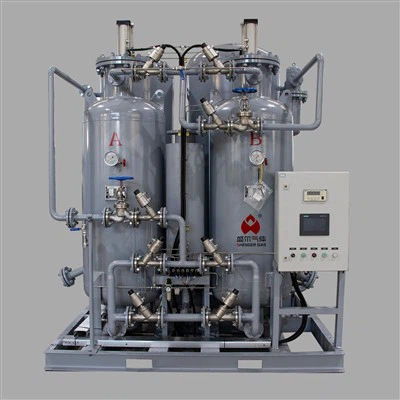
Hey there! As a supplier of dry nitrogen generators, I often get asked about the calibration process. Calibrating a dry nitrogen generator is crucial to ensure it operates at its best, providing high - quality nitrogen for various applications. In this blog, I'll walk you through how to calibrate a dry nitrogen generator step by step.
Why Calibration Matters
Before I dive into the calibration process, let me quickly explain why it's so important. A well - calibrated dry nitrogen generator ensures consistent nitrogen purity. This is essential in industries like electronics manufacturing, where even a tiny impurity in the nitrogen can affect the quality of the final product. In the case of SMT Nitrogen Generator, which is used in surface - mount technology, accurate calibration means more reliable soldering and fewer defective circuit boards.
For PV Nitrogen Generator used in the photovoltaic industry, proper calibration guarantees the optimal performance of solar cells. And in the production of lithium batteries, a Nitrogen Generator For Lithium Battery Production needs to be precisely calibrated to prevent any unwanted reactions that could compromise battery safety and performance.
Getting Prepared for Calibration
First things first, gather all the tools and materials you'll need for calibration. You'll typically need a nitrogen purity analyzer, which is a device that measures the percentage of nitrogen in the gas output. Make sure the analyzer is calibrated itself before you start using it. You can have it calibrated by a professional calibration service or follow the manufacturer's instructions for self - calibration if possible.
Also, collect some safety gear, like safety glasses and gloves. Nitrogen is an asphyxiant, and although the generator is designed to be safe, it's always better to be extra cautious.
Step 1: Check the Input Air Quality
The quality of the input air is a major factor in the performance of a dry nitrogen generator. Start by examining the air compressor that supplies air to the generator. Make sure it's functioning properly and that the air filters are clean. Dirty filters can restrict air flow and introduce contaminants into the generator, which in turn can affect nitrogen purity.
Check the pressure of the input air. The generator has a specified range of operating pressures, so use a pressure gauge to ensure the air pressure is within that range. If the pressure is too low, the generator may not produce nitrogen efficiently. If it's too high, it can damage the internal components.
Step 2: Run a Baseline Test
With the input air in good condition, run the generator for a while to reach a stable operating state. Then, use the nitrogen purity analyzer to take a baseline reading of the nitrogen output. This reading will give you an idea of how the generator is performing before you start making any adjustments.
It's important to take multiple readings at different intervals to get an accurate average. Note down these readings along with the time and date. This documentation will be useful for future reference and for tracking the performance of the generator over time.
Step 3: Adjust the Adsorption Time
Many dry nitrogen generators use a pressure swing adsorption (PSA) process to separate nitrogen from other gases in the air. The adsorption time is the period during which the adsorbent material in the generator traps the unwanted gases, leaving behind nitrogen.
If the baseline purity reading shows that the nitrogen purity is lower than the desired level, you may need to increase the adsorption time. Most generators have a control panel that allows you to adjust this parameter. Make small adjustments and then wait for the generator to reach a new stable state. Then, take another set of purity readings to see if the adjustment has improved the nitrogen purity.
On the other hand, if the nitrogen purity is higher than necessary, you can decrease the adsorption time. This can save energy and increase the overall efficiency of the generator.
Step 4: Check the Flow Rate
The flow rate of the nitrogen output is another important parameter to calibrate. A too - high flow rate can result in lower nitrogen purity because the adsorbent material may not have enough time to trap all the unwanted gases. Conversely, a too - low flow rate can be inefficient and may not meet the production requirements.
Use a flow meter to measure the current flow rate of the nitrogen output. Compare this reading with the generator's specifications. If the flow rate is off, you can usually adjust it using a flow control valve on the generator. Similar to adjusting the adsorption time, make small changes and then re - measure the purity and flow rate until you achieve the desired results.
Step 5: Monitor the Regeneration Process
In a PSA nitrogen generator, the adsorbent material needs to be regenerated periodically to remove the trapped gases and maintain its effectiveness. The regeneration process usually involves depressurizing the adsorber vessels and purging them with a small amount of nitrogen.
Check the regeneration cycle time and ensure that it's set correctly. If the regeneration cycle is too short, the adsorbent may not be fully regenerated, leading to a decrease in nitrogen purity over time. If it's too long, it can waste energy and reduce the overall productivity of the generator.
Step 6: Final Verification
After making all the necessary adjustments, run the generator for a longer period, say 24 hours if possible. Continuously monitor the nitrogen purity and flow rate during this time. Take multiple readings at regular intervals and record them.
If the readings remain stable within the desired range, then your calibration is successful. However, if you notice any fluctuations or if the purity and flow rate deviate from the target values, you may need to go back and make further adjustments.
Conclusion
Calibrating a dry nitrogen generator is a detailed process, but it's well worth the effort. By following these steps, you can ensure that your generator provides high - quality nitrogen consistently, which is essential for the success of your operations in various industries.


If you're in the market for a new dry nitrogen generator or need more in - depth advice on calibration and maintenance, don't hesitate to reach out. We're here to help you get the most out of your nitrogen generation system. Let's start a conversation about how we can meet your specific requirements.
References
- Manufacturer's manuals and documentation for dry nitrogen generators
- Industry - specific guidelines for nitrogen purity and quality control
- Technical papers on pressure swing adsorption processes in nitrogen generation