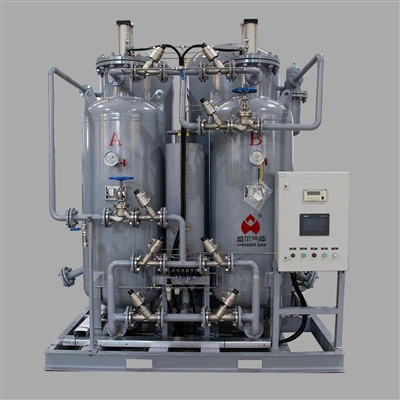
Hey there! I'm a provider of cryogenic oxygen plants, and I've dealt with a whole bunch of issues that pop up in these plants over the years. Cryogenic oxygen plants are super important for a ton of industries, from healthcare to manufacturing. But like any complex machinery, they come with their fair share of problems. Let's take a look at some common issues and how we can fix them.
1. Low Oxygen Purity
One of the most frequent problems we see is low oxygen purity. This can be a real headache because in many applications, like in the medical field or for high - tech manufacturing, you need a high - purity oxygen supply.
The reasons behind low oxygen purity can be diverse. First off, there could be a problem with the air intake. If the air drawn into the plant is contaminated with other gases, dust, or moisture, it can affect the separation process. For example, if there's a lot of humidity in the air, it can freeze inside the cryogenic system and disrupt the normal operation.
Another culprit might be the malfunction of the distillation column. The distillation column is the heart of the cryogenic oxygen plant, where the separation of oxygen from other components of air takes place. If the column trays are damaged or if the reflux ratio is not properly maintained, the purity of the oxygen produced will drop.


Solution:
- Improve air intake conditions: Install high - efficiency air filters to remove dust and contaminants. Use desiccant dryers to reduce the moisture content in the incoming air. This ensures that the air entering the plant is as clean and dry as possible.
- Check and maintain the distillation column: Regularly inspect the column trays for any signs of damage or blockage. Adjust the reflux ratio according to the operating conditions and the desired oxygen purity. Sometimes, a simple calibration can make a big difference.
2. High Energy Consumption
Energy consumption is a major concern for any cryogenic oxygen plant. High energy use not only drives up the operating costs but also has a negative impact on the environment.
One reason for high energy consumption is inefficient insulation. If the insulation of the cryogenic tanks and pipes is poor, a large amount of cold energy will be lost to the surrounding environment. The plant then has to work harder to maintain the low temperatures required for the separation process.
The compressor is another component that can consume a lot of energy. If the compressor is not properly sized for the plant's capacity or if it's not operating at its optimal efficiency, it will use more power than necessary.
Solution:
- Upgrade insulation: Use high - quality insulation materials for the cryogenic tanks and pipes. Regularly check the insulation for any damage or wear and replace it if needed. This helps to minimize cold energy loss and reduces the energy required to maintain the low temperatures.
- Optimize compressor operation: Make sure the compressor is the right size for your plant's production capacity. Regularly service the compressor, including cleaning the filters, checking the lubrication, and adjusting the pressure settings. You might also consider using variable - speed drives to control the compressor's speed according to the actual demand.
3. Equipment Leakage
Leakage is a serious issue in cryogenic oxygen plants. It can lead to a loss of product, increased safety risks, and reduced plant efficiency.
Leakage can occur in various parts of the plant, such as the valves, flanges, and pipes. Cryogenic temperatures make the materials more brittle, and over time, the seals can deteriorate, leading to leaks.
Solution:
- Regular inspections: Conduct frequent visual inspections of all the equipment for any signs of leakage, such as frost formation or hissing sounds. Use leak detection equipment, like ultrasonic leak detectors, to identify leaks that are not visible to the naked eye.
- Replace seals and gaskets: If a leak is detected, replace the damaged seals and gaskets immediately. Use high - quality materials that are suitable for cryogenic applications.
4. Instrumentation and Control System Malfunctions
The instrumentation and control system in a cryogenic oxygen plant is crucial for its safe and efficient operation. Malfunctions in this system can lead to inaccurate readings, improper control of the process, and even safety hazards.
Sensors can fail due to exposure to extreme temperatures, vibration, or electrical interference. The control valves might not respond correctly to the control signals, causing fluctuations in the process parameters.
Solution:
- Calibrate sensors regularly: Ensure that all the sensors, such as temperature sensors, pressure sensors, and flow sensors, are calibrated at regular intervals. This ensures accurate measurement of the process parameters and reliable control of the plant.
- Test and maintain control valves: Periodically test the control valves to make sure they are functioning properly. Check the valve actuators, positioners, and solenoids for any signs of damage or malfunction.
5. Noise and Vibration
Excessive noise and vibration in a cryogenic oxygen plant can be not only annoying but also a sign of underlying problems.
Noise can be caused by the operation of the compressors, pumps, and fans. If these components are not properly installed or balanced, they can generate a lot of noise. Vibration can be due to unbalanced rotating parts, loose connections, or improper alignment of the equipment.
Solution:
- Isolate noisy equipment: Use acoustic enclosures or vibration - isolating mounts to reduce the noise and vibration transmitted from the equipment to the surrounding environment.
- Balance and align equipment: Regularly balance the rotating parts of the compressors, pumps, and fans. Check the alignment of the shafts and couplings to ensure smooth operation.
If you're in the market for a cryogenic oxygen plant, you might also be interested in our other products, such as the Cryogenic Nitrogen Plant For Chemical Lndustry, Liquid Oxygene Production Plant, and Modular Air Separation Unit.
If you're facing any of these problems with your current cryogenic oxygen plant or if you're thinking about purchasing a new one, don't hesitate to reach out. We've got the expertise and the solutions to help you get the most out of your plant.
References
- Perry, R. H., & Green, D. W. (1997). Perry's Chemical Engineers' Handbook. McGraw - Hill.
- Kohl, A. L., & Nielsen, R. B. (1997). Gas Purification. Gulf Publishing Company.