

Hey there! As a supplier of home nitrogen generators, I often get asked about the environmental impacts of using these nifty devices. So, I thought I'd take a deep dive into this topic and share what I've learned.
Let's start with the basics. A home nitrogen generator is a piece of equipment that separates nitrogen from the air we breathe. It uses a process called Pressure Swing Adsorption (PSA) or Membrane Separation to produce high - purity nitrogen. These generators are becoming increasingly popular for various home uses, like wine preservation, inflating tires, and even in some small - scale laboratory setups.
Energy Consumption
One of the first things that come to mind when thinking about environmental impacts is energy consumption. Home nitrogen generators do use electricity to operate. The amount of energy they consume depends on several factors, such as the size of the generator, the purity of nitrogen it produces, and how often it runs.
For smaller home - use generators, the energy consumption is relatively low compared to some other household appliances. However, if you're running a generator continuously to maintain a high - pressure nitrogen supply, it can add up over time. Some modern generators are designed to be more energy - efficient, using advanced technology to reduce power consumption. For example, they might have smart sensors that adjust the operation based on the actual nitrogen demand.
Reducing the Need for Nitrogen Cylinders
Here's where home nitrogen generators really shine from an environmental perspective. Traditionally, people used nitrogen cylinders to get their nitrogen supply. These cylinders need to be refilled regularly, which involves transportation. The transportation of nitrogen cylinders consumes fuel and produces greenhouse gas emissions.
By using a home nitrogen generator, you eliminate the need for these cylinders. You can produce nitrogen on - site, reducing the carbon footprint associated with the transportation and handling of cylinders. It's a win - win situation for both the environment and your wallet in the long run.
Air Quality
The process of generating nitrogen at home doesn't directly produce harmful emissions into the air. The PSA or membrane separation methods are relatively clean processes. However, the air intake for the generator needs to be clean. If the air contains a lot of dust, pollutants, or moisture, it can affect the performance of the generator and potentially reduce the quality of the nitrogen produced.
To ensure optimal performance and minimal environmental impact, it's important to keep the air intake area clean and well - ventilated. Some generators come with built - in air filters to remove impurities from the incoming air. This not only helps in producing high - quality nitrogen but also contributes to better air quality in your home.
Waste Generation
Home nitrogen generators generally don't produce a significant amount of waste. The main waste product is the small amount of oxygen and other gases that are separated from the nitrogen during the generation process. These gases are simply released back into the atmosphere.
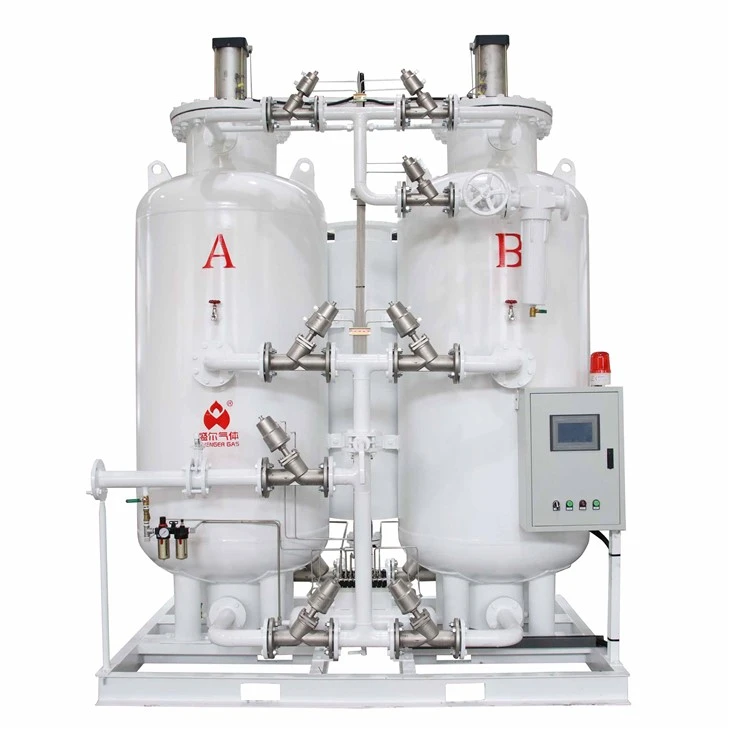
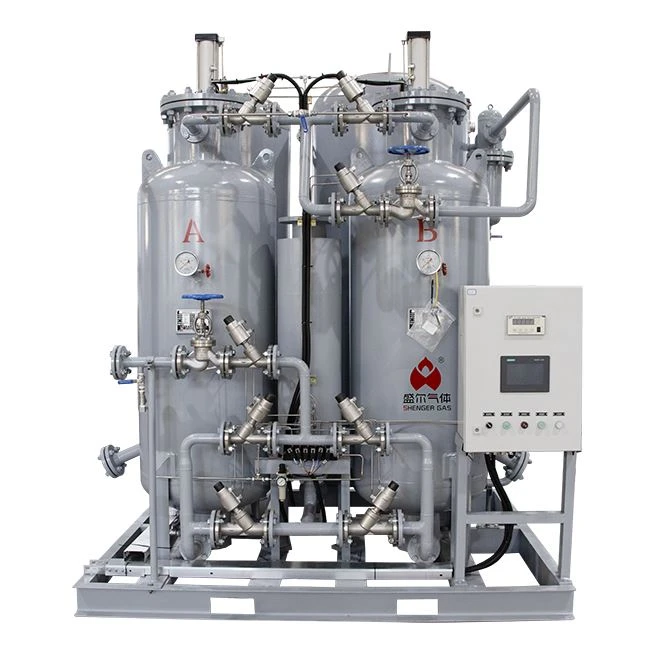
However, the filters in the generator need to be replaced periodically. These filters can be considered a form of waste. But many manufacturers are now using recyclable materials for their filters, which helps to reduce the environmental impact.
Long - Term Sustainability
Investing in a home nitrogen generator can be a step towards long - term sustainability. By producing your own nitrogen, you're reducing your reliance on external suppliers and the associated environmental impacts. It also gives you more control over the quality and quantity of nitrogen you use.
If you're interested in high - quality nitrogen generation for your home, we offer a range of products. Check out our Nitrogen Plant For Chemical Plant for industrial - grade applications, our High Purity Nitrogen Generator for those who need extremely pure nitrogen, and our Skid Mounted Nitrogen System for a more compact and convenient solution.
Conclusion
In conclusion, home nitrogen generators have both positive and negative environmental impacts. While they do consume energy, they significantly reduce the need for nitrogen cylinders and their associated transportation emissions. With proper maintenance and the use of energy - efficient models, the environmental footprint of using a home nitrogen generator can be minimized.
If you're considering purchasing a home nitrogen generator, I'd be more than happy to discuss your specific needs. Whether you're looking for a small - scale generator for home use or a larger system for a small business, we've got you covered. Reach out to us to start a conversation about how our products can meet your requirements and contribute to a more sustainable future.
References
- "Principles of Pressure Swing Adsorption" by Ruthven, Farooq, and Knaebel.
- "Membrane Separation Technology: Principles and Applications" by Baker.


