


PSA Oxygen Generator For Aquaculture
Maintaining adequate dissolved oxygen levels is a primary operational constraint in intensive aquaculture. Stocking density, feed input, and water temperature directly influence oxygen consumption, and interruption in supply can result in significant losses. The psa oxygen generator for aquaculture provides a continuous, on-site source of high-purity oxygen, eliminating reliance on delivered liquid oxygen or high-pressure cylinders.
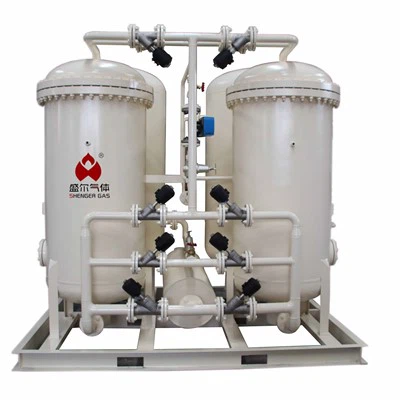
The generation principle is Pressure Swing Adsorption. Ambient air is compressed and passed through a vessel containing carbon molecular sieves. Under elevated pressure, the sieves preferentially adsorb nitrogen molecules, allowing oxygen to pass through as the product stream. When the pressure is reduced, the sieves release the adsorbed nitrogen and are regenerated for the next cycle. Two adsorbent vessels operate in parallel-one in adsorption phase while the other regenerates-ensuring an uninterrupted oxygen supply.
Performance Parameters
| Parameter | Range / Value |
|---|---|
| Oxygen purity | 90% – 95% (adjustable) |
| Flow rate (standard) | 3 – 200 Nm³/h |
| Ambient temperature range | 5°C – 45°C |
| Inlet air pressure requirement | 0.6 – 0.8 MPa |
| Product gas dew point | ≤ -40°C |
| Specific power consumption | 0.35 – 0.45 kWh/Nm³ @ 93% purity |
The psa oxygen generator for aquaculture operates within a feed air temperature envelope of 5°C to 45°C, covering most coastal and inland farming regions. Energy efficiency is a key operational metric: at 93% purity, specific consumption is between 0.35 and 0.45 kWh per normal cubic meter of oxygen produced, which compares favorably against cryogenic air separation for small to medium capacity ranges.
Technical Specifications
| Item | Specification |
|---|---|
| Adsorption pressure | 0.6 – 0.8 MPa (gauge) |
| Regeneration method | Pressure equalization + purge gas |
| Oxygen delivery pressure | 0.3 – 0.5 MPa (booster optional) |
| Noise level | ≤ 80 dB(A) @ 1 m |
| Control system | PLC with HMI touchscreen, RS485 communication |
| Enclosure protection | IP54 (standard) |
Standard models cover flow capacities from 3 to 200 Nm³/h, with engineering adaptations available for both smaller and larger requirements. The system responds to fluctuating demand: oxygen purity can be reduced during low-load periods to conserve energy, or increased prior to feeding when biological oxygen demand peaks.
Industrial Application Context
This equipment is intended for industrial aquaculture environments-ponds, raceways, and recirculating aquaculture systems (RAS) with daily oxygen consumption above 100 cubic meters. It is not a medical device nor a domestic appliance. The psa oxygen generator for aquaculture employs industrial-grade materials including stainless steel piping, heavy-duty pneumatic valves, and corrosion-resistant coatings suitable for saline and humid conditions typical of shrimp and marine fish farming.
Customization and Technical Considerations
Site-specific factors influence system design. Altitude, average ambient temperature, humidity, and daily oxygen demand profiles are assessed during the engineering phase. Optional features include oxygen booster compressors, remote monitoring with data logging, and automatic start-stop control interfaced with dissolved oxygen sensors.
From an operational standpoint, carbon molecular sieves typically maintain effective performance for 5 to 8 years under proper feed air conditions. The most common cause of premature sieve degradation is inadequate feed air pretreatment-moisture and oil vapor permanently reduce sieve adsorption capacity. A refrigerated air dryer and coalescing filters upstream of the generator are recommended as standard practice.
Oxygen concentration directly affects fish appetite and feed conversion ratios. A reduction of 1% in purity typically requires approximately 2% additional blower energy to maintain the same dissolved oxygen level, making periodic purity verification a worthwhile operational check.
Scope of Supply and Site Requirements
1. Standard Supply Scope
Oxygen generator skid, PLC control panel, interconnecting piping within the system, and on-site commissioning supervision for initial startup.
2. Foundation Requirements
Level concrete floor with proper drainage and adequate ventilation around the equipment.
3. Utility Requirements
- Compressed air: clean, dry air at specified pressure and flow, with oil content and particulate levels meeting the inlet specifications for molecular sieve operation;
- Electrical supply: power source matching control system voltage, with stable frequency and acceptable fluctuation tolerance.
4. Maintenance Schedule
Inlet filter replacement every 500 operating hours; pneumatic valve inspection at 8,000 hours; sieve bed performance evaluation at the 5‑year mark, subject to feed air quality and operating history.
Shenger Gas specializes in the engineering and fabrication of industrial gas separation equipment. The company's technical scope covers PSA and membrane systems for oxygen and nitrogen generation, with a focus on application-specific design rather than standardized skid production. Engineering support includes site survey, system dimensioning, installation supervision, and remote diagnostics. A comprehensive documentation package accompanies each delivery, and technical inquiries are addressed during working hours.


Hot Tags: psa oxygen generator for aquaculture, China psa oxygen generator for aquaculture manufacturers, suppliers, factory
Previous
No InformationYou Might Also Like




Send Inquiry