

As a supplier of cryogenic oxygen plants, I've witnessed firsthand how the quality of air intake significantly influences these vital industrial setups. Cryogenic oxygen plants play a crucial role in numerous sectors, from healthcare to manufacturing, and the air they intake is the raw material for oxygen production. Understanding the impact of air intake quality is essential for optimizing plant performance, ensuring product purity, and maintaining operational efficiency.
1. The Basics of Cryogenic Oxygen Plants
Before delving into the impact of air intake quality, it's important to understand how cryogenic oxygen plants work. These plants operate on the principle of cryogenic distillation, a process that separates the components of air - primarily nitrogen, oxygen, and argon - based on their different boiling points.
The process begins with the intake of ambient air. This air is first filtered to remove large particles such as dust and debris. Then, it is compressed and cooled to extremely low temperatures, typically below -170°C (-274°F). At these temperatures, the air liquefies, and the different components can be separated through distillation in a fractionating column. The oxygen, with a boiling point of -183°C (-297°F), can be collected as a high - purity liquid product. You can find more details about Cryogenic Air Plant Functions.
2. Impact of Particulate Matter in Air Intake
One of the most obvious factors in air intake quality is the presence of particulate matter. Particles in the air can range from large dust grains to microscopic aerosols. These particles can cause several problems in a cryogenic oxygen plant.
Firstly, they can clog the pre - filters of the plant. These filters are designed to protect the more sensitive components of the plant, such as compressors and heat exchangers. When the filters become clogged, the air flow is restricted, which can lead to reduced plant capacity. The compressor has to work harder to draw in the same amount of air, increasing energy consumption and potentially causing premature wear and tear on the compressor.
Secondly, if particulate matter manages to pass through the pre - filters, it can accumulate in the heat exchangers. This accumulation reduces the efficiency of heat transfer, as the particles act as an insulating layer between the cold and warm fluids. As a result, the plant may not be able to cool the air to the required cryogenic temperatures effectively, leading to sub - optimal separation of air components and lower oxygen purity.
3. Effect of Moisture in the Air Intake
Moisture is another critical factor in air intake quality. Water vapor in the air can cause significant problems in a cryogenic oxygen plant. At cryogenic temperatures, water freezes into ice. If the air intake contains a high level of moisture, ice can form in the pipes, valves, and heat exchangers of the plant.
The formation of ice can block the flow of air and liquid, causing pressure imbalances in the system. This can lead to reduced plant performance and even system failures in severe cases. Additionally, ice formation can damage the internal components of the plant, such as the delicate fins in the heat exchangers, which can be difficult and costly to repair.
To prevent these issues, cryogenic oxygen plants are equipped with moisture removal systems, such as molecular sieves or refrigerated dryers. However, if the air intake has an extremely high moisture content, these systems may be overwhelmed, and some moisture may still enter the cryogenic section of the plant.
4. Impact of Chemical Contaminants in Air Intake
Chemical contaminants in the air intake can also have a profound impact on a cryogenic oxygen plant. Common chemical contaminants include hydrocarbons (such as methane, propane, and butane), carbon dioxide, and trace amounts of other gases.
Hydrocarbons are particularly problematic because they can condense and freeze at cryogenic temperatures. If hydrocarbons accumulate in the fractionating column, they can form explosive mixtures, posing a serious safety risk. In addition, the presence of hydrocarbons can contaminate the produced oxygen, making it unsuitable for applications where high - purity oxygen is required, such as in the Oxygen Production Plant for ICU.
Carbon dioxide can also cause problems. Like water, carbon dioxide freezes at cryogenic temperatures. If it is present in the air intake, it can form solid carbon dioxide (dry ice) in the plant, leading to blockages and reduced efficiency.
5. Influence on Product Purity
The quality of air intake directly affects the purity of the oxygen produced by the cryogenic oxygen plant. As discussed above, particulate matter, moisture, and chemical contaminants can all contaminate the final oxygen product.
For applications in healthcare, such as in ICUs, high - purity oxygen is essential. Even small amounts of contaminants can have serious consequences for patients. In industrial applications, such as in metal cutting and welding, the purity of oxygen also affects the quality of the end - product. Impure oxygen can lead to incomplete combustion, poor weld quality, and increased production costs.
6. Operational Efficiency and Maintenance
Poor air intake quality can also have a significant impact on the operational efficiency and maintenance requirements of a cryogenic oxygen plant. As mentioned earlier, clogged filters, ice formation, and the accumulation of contaminants can all lead to increased energy consumption. The plant has to work harder to achieve the same level of oxygen production, which translates into higher operating costs.
In addition, the presence of contaminants in the plant increases the frequency of maintenance. Components such as filters, heat exchangers, and valves need to be cleaned or replaced more often. This not only increases the cost of maintenance but also leads to more downtime for the plant, reducing its overall productivity.
7. Strategies to Improve Air Intake Quality
To mitigate the negative impact of poor air intake quality, several strategies can be employed. Firstly, proper site selection is crucial. The plant should be located in an area with relatively clean air, away from sources of pollution such as industrial areas, traffic - congested roads, and construction sites.
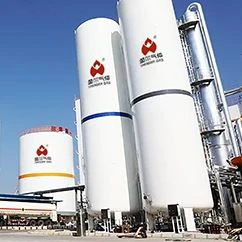

Secondly, high - quality air intake filters should be used. These filters should be able to remove a wide range of particulate sizes, from large dust particles to fine aerosols. Regularly replacing and maintaining these filters is also essential to ensure their effectiveness.
Thirdly, advanced moisture and chemical removal systems should be installed. Molecular sieves can effectively remove moisture and some chemical contaminants from the air intake. Additionally, the plant should be equipped with monitoring systems to detect the presence of contaminants in real - time, allowing for timely adjustments to the air treatment processes.
8. Conclusion and Call to Action
In conclusion, the quality of air intake has a far - reaching impact on the performance, safety, and efficiency of a cryogenic oxygen plant. As a supplier of cryogenic oxygen plants, we understand the importance of ensuring high - quality air intake for our customers. We offer a range of solutions to improve air intake quality, from advanced filtration systems to state - of - the - art moisture and chemical removal technologies.
If you are in the market for a cryogenic oxygen plant or want to optimize the performance of your existing plant, we are here to help. Our team of experts can provide you with customized solutions tailored to your specific needs. Contact us today to start a discussion about your requirements and how we can assist you in achieving the best results with your cryogenic oxygen plant.
References
- Perry, R. H., & Green, D. W. (1997). Perry's Chemical Engineers' Handbook. McGraw - Hill.
- Kohl, A. L., & Nielsen, R. B. (1997). Gas Purification. Gulf Publishing Company.


