Hey there! As a supplier of dry nitrogen generators, I often get asked about the difference between dry nitrogen generators and wet nitrogen generators. In this blog post, I'll break down the key differences, advantages, and applications of each type to help you make an informed decision.
How They Work
Let's start with how these two types of nitrogen generators operate. A wet nitrogen generator, also known as a membrane nitrogen generator, uses a semi - permeable membrane to separate nitrogen from other gases in the air. Air is compressed and passed through the membrane. Oxygen, water vapor, and other impurities permeate through the membrane at different rates than nitrogen, allowing nitrogen to be collected on the other side. However, the nitrogen produced usually has a relatively high moisture content, which can be a drawback in some applications.
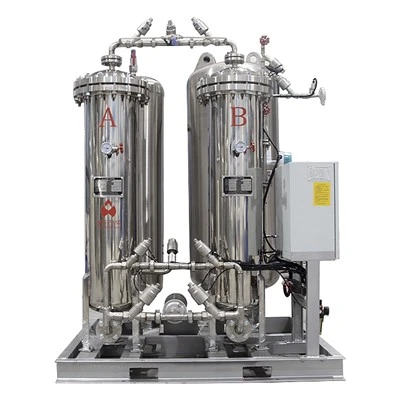
On the other hand, a dry nitrogen generator, like the ones we supply, typically uses Pressure Swing Adsorption (PSA) technology. In a PSA nitrogen generator, compressed air is passed through a bed of adsorbent material, usually zeolite. The adsorbent selectively adsorbs oxygen, carbon dioxide, and water vapor from the air, leaving behind high - purity nitrogen. The process is cyclic, with one bed adsorbing while the other is being regenerated, ensuring a continuous supply of dry nitrogen.
Purity and Moisture Content
One of the most significant differences between dry and wet nitrogen generators is the purity and moisture content of the produced nitrogen. Wet nitrogen generators can produce nitrogen with a purity ranging from about 95% to 99%. But the moisture content is relatively high, which can be a problem in applications where dry conditions are crucial.
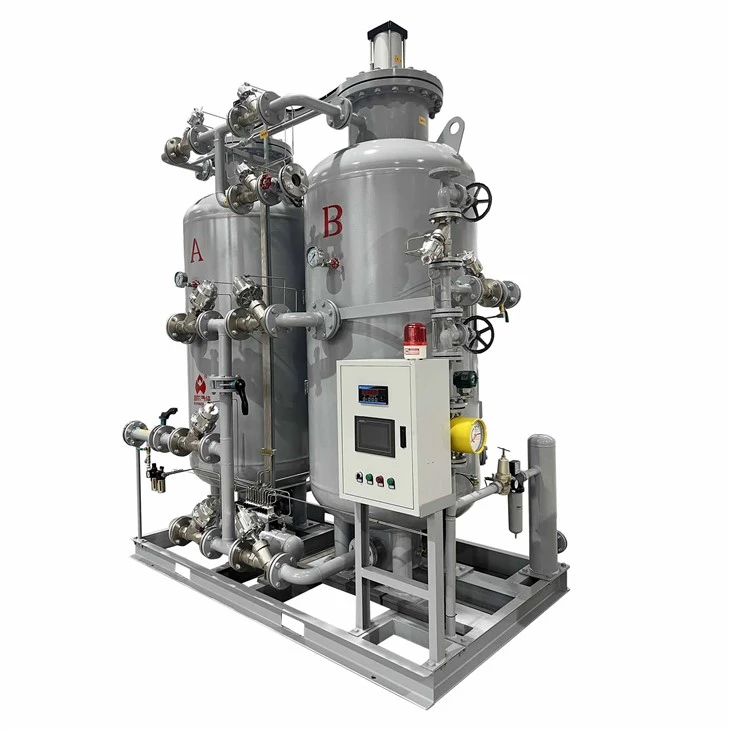
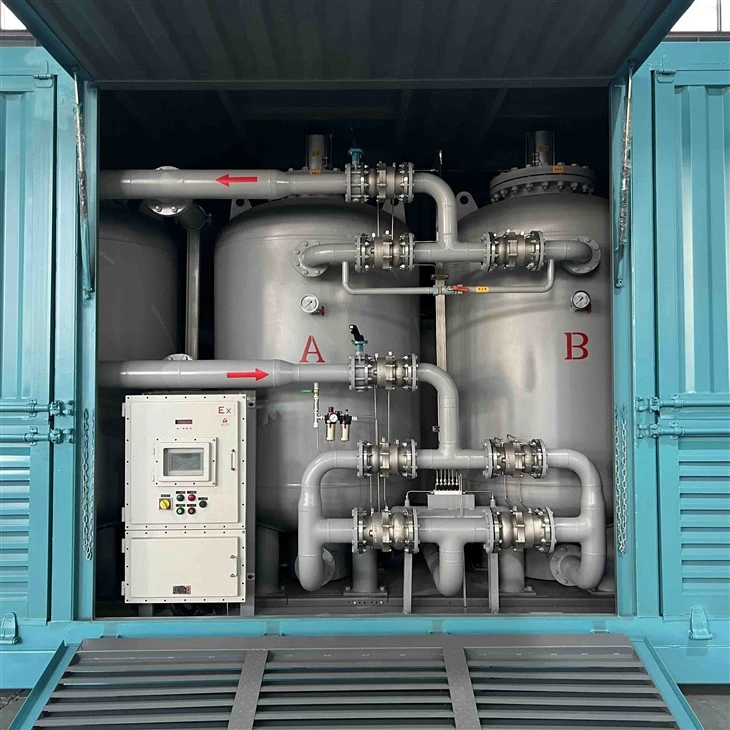
Dry nitrogen generators, however, can achieve much higher purity levels. Our dry nitrogen generators can produce nitrogen with a purity of up to 99.999%. And as the name suggests, the nitrogen is dry, with extremely low moisture content. This makes dry nitrogen generators ideal for applications where moisture can cause corrosion, oxidation, or other issues.
Applications
The choice between a dry and a wet nitrogen generator often depends on the specific application.
Wet Nitrogen Generator Applications
Wet nitrogen generators are commonly used in applications where high purity and dryness are not critical. For example, in some general industrial processes where nitrogen is used for blanketing or purging, a wet nitrogen generator can be a cost - effective solution. They are also suitable for some food packaging applications where the presence of a small amount of moisture won't affect the product quality.
Dry Nitrogen Generator Applications
Dry nitrogen generators have a wide range of applications due to their high purity and dryness.
- Mining: In the mining industry, dry nitrogen is used for fire prevention and explosion suppression. Nitrogen Generator For Mining can help create an inert atmosphere in mines, reducing the risk of fires and explosions.
- Aviation: The aviation industry requires high - purity dry nitrogen for tire inflation and aircraft fuel tank inerting. Aviation Nitrogen Generator ensures the safety and performance of aircraft by preventing oxidation and reducing the risk of fire.
- Food Industry: In the food industry, dry nitrogen is used for packaging to extend the shelf life of products. Nitrogen Generator for Food Industry helps preserve the freshness and quality of food by displacing oxygen and preventing spoilage.
Advantages of Dry Nitrogen Generators
- High Purity: As mentioned earlier, dry nitrogen generators can produce nitrogen with very high purity, which is essential for many critical applications.
- Dryness: The low moisture content of the nitrogen produced by dry nitrogen generators helps prevent corrosion and oxidation, protecting equipment and products.
- Reliability: PSA technology used in dry nitrogen generators is well - established and reliable, providing a continuous and stable supply of nitrogen.
- Cost - effectiveness in the Long Run: Although the initial investment in a dry nitrogen generator may be higher than that of a wet nitrogen generator, the long - term cost savings can be significant. You don't have to worry about the additional costs associated with moisture removal or the potential damage caused by moisture.
Maintenance and Operational Considerations
Wet nitrogen generators are generally simpler in design and may require less maintenance. However, they may need more frequent membrane replacements, especially if the feed air quality is poor.
Dry nitrogen generators, on the other hand, require proper maintenance of the adsorbent beds. The adsorbent needs to be replaced periodically to ensure optimal performance. But with regular maintenance, a dry nitrogen generator can provide reliable service for many years.
Conclusion
In summary, the main difference between dry and wet nitrogen generators lies in the purity, moisture content, and applications. Wet nitrogen generators are suitable for applications where high purity and dryness are not critical, while dry nitrogen generators are ideal for applications that require high - purity, dry nitrogen.
If you're in the market for a nitrogen generator and are considering a dry nitrogen generator, we'd love to talk to you. Our team of experts can help you choose the right generator for your specific needs. Whether you're in the mining, aviation, or food industry, we have the solution for you. Contact us to start a conversation about your nitrogen generation requirements and let's find the perfect fit for your business.
References
- "Nitrogen Generation Technologies: A Review", Journal of Separation Science
- "Applications of Nitrogen in Various Industries", Industrial Gas Journal