Hey there! As a supplier of Purity Nitrogen Generators, I often get asked about the training requirements for operating these machines. So, I thought I'd put together this blog to give you all the deets.
First off, let's talk about why training is so important. A Purity Nitrogen Generator is a complex piece of equipment that needs to be operated correctly to ensure it functions efficiently and safely. Without proper training, operators might make mistakes that could lead to equipment damage, reduced nitrogen purity, or even safety hazards.
Basic Knowledge Training
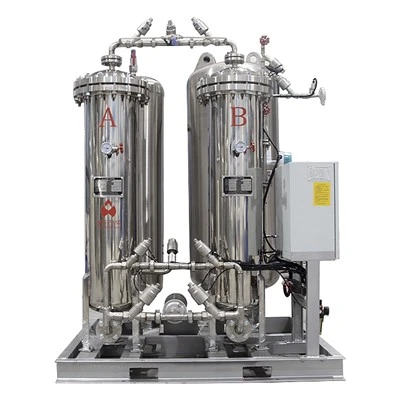
The first step in training operators is to provide them with a solid understanding of the basic principles behind a Purity Nitrogen Generator. This includes knowledge about how the generator separates nitrogen from other gases in the air. Most Purity Nitrogen Generators use Pressure Swing Adsorption (PSA) technology. In PSA systems, carbon molecular sieves are used to adsorb oxygen and other impurities, allowing nitrogen to pass through.
Operators should also learn about the different components of the generator, such as the air compressor, air dryer, adsorption towers, and control valves. Understanding how these parts work together is crucial for troubleshooting and maintenance.
Safety Training
Safety is always a top priority when operating any industrial equipment, and Purity Nitrogen Generators are no exception. Operators need to be trained on the potential safety hazards associated with the generator and how to prevent accidents.
One of the main safety concerns with nitrogen generators is the risk of asphyxiation. Nitrogen is an inert gas, which means it doesn't support life. If there's a leak in the system, nitrogen can displace oxygen in the air, creating a dangerous environment. Operators should be trained to detect leaks early, use proper personal protective equipment (PPE) like gas detectors, and know the emergency procedures in case of a leak.
Another safety aspect is electrical safety. The generator has electrical components that need to be handled with care. Operators should be trained on how to safely operate and maintain the electrical systems, including proper grounding and avoiding electrical shock.
Operational Training
Once operators have a good grasp of the basic knowledge and safety procedures, it's time to focus on the actual operation of the Purity Nitrogen Generator. This includes starting and stopping the generator, adjusting the settings for different nitrogen purity levels, and monitoring the system during operation.
Operators should learn how to read the control panel, which displays important information such as pressure, flow rate, and nitrogen purity. They should also know how to make adjustments based on the requirements of the specific application. For example, different industries have different nitrogen purity requirements. If you're using the generator for Nitrogen Generator For Reflow Soldering, you might need a higher purity level compared to other applications.
Maintenance Training
Regular maintenance is essential to keep the Purity Nitrogen Generator running smoothly and to extend its lifespan. Operators should be trained on the basic maintenance tasks, such as changing filters, checking for leaks, and lubricating moving parts.
They should also know how to perform routine inspections to identify any potential issues before they become major problems. For example, they should check the condition of the carbon molecular sieves regularly and know when it's time to replace them.
Troubleshooting Training
Even with proper maintenance, problems can still occur. That's why it's important to train operators on troubleshooting techniques. They should be able to identify common problems, such as low nitrogen purity, abnormal pressure readings, or strange noises, and know how to take appropriate action.
For example, if the nitrogen purity drops, operators should know how to check the adsorption towers, the air dryer, and the control valves to find the source of the problem. They should also know when to contact technical support for more complex issues.
Industry - Specific Training
Depending on the industry where the Purity Nitrogen Generator will be used, additional training might be required. For example, if the generator is used in a Nitrogen Generator For Chemical Plant, operators need to understand the specific chemical processes and how the nitrogen generator fits into the overall production line.
In the case of PSA Nitrogen Generator For Lithium Battery Production, operators should be trained on the unique requirements of the lithium - battery manufacturing process, such as the need for ultra - high purity nitrogen to prevent contamination.
Certification and Documentation
After completing the training, it's a good idea to provide operators with a certification to show that they've been properly trained. This not only gives them a sense of accomplishment but also serves as proof for regulatory compliance.


It's also important to keep detailed documentation of the training, including what was covered, who was trained, and when the training took place. This documentation can be useful for audits and future reference.
Conclusion
In conclusion, training operators to use a Purity Nitrogen Generator is a multi - faceted process that involves basic knowledge, safety, operation, maintenance, troubleshooting, and industry - specific training. By providing comprehensive training, you can ensure that your operators are well - equipped to handle the generator safely and efficiently.
If you're in the market for a Purity Nitrogen Generator or need more information about our products and training services, don't hesitate to reach out. We're here to help you find the right solution for your needs and make sure your operators are fully trained.
References
- General knowledge about Purity Nitrogen Generators from industry manuals.
- Safety guidelines from relevant industrial safety standards.
- Information on industry - specific requirements from various industry reports.