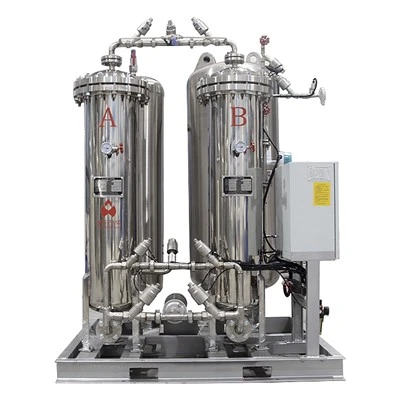
Hey there! As a supplier of PSA nitrogen plants, I've seen firsthand the importance of proper maintenance for these systems. In this blog post, I'll walk you through the common maintenance procedures for PSA nitrogen plants to keep them running smoothly and efficiently.
1. Regular Inspection of Components
The first step in maintaining a PSA nitrogen plant is to conduct regular inspections of its components. This includes checking the air compressor, adsorber vessels, valves, and piping for any signs of wear, damage, or leaks.
- Air Compressor: The air compressor is the heart of the PSA nitrogen plant, providing the compressed air needed for the separation process. Check the compressor's oil level, filters, and belts regularly. Replace the oil and filters as recommended by the manufacturer to ensure optimal performance.
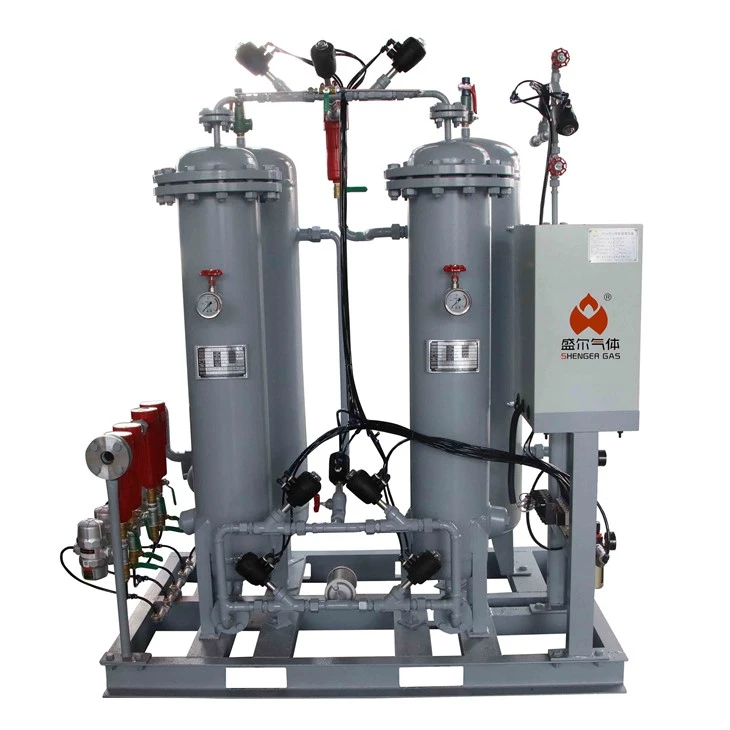
- Adsorber Vessels: The adsorber vessels contain the adsorbent material that separates nitrogen from other gases. Inspect the vessels for any signs of corrosion, damage, or blockage. Make sure the adsorbent material is in good condition and replace it if necessary.
- Valves and Piping: Check the valves and piping for any leaks, cracks, or blockages. Make sure the valves are operating properly and that the piping is free of debris. Tighten any loose connections and replace any damaged valves or piping.
2. Monitoring of Operating Parameters
Monitoring the operating parameters of the PSA nitrogen plant is crucial for ensuring its efficient operation. This includes monitoring the pressure, temperature, flow rate, and purity of the nitrogen gas.
- Pressure: The pressure of the compressed air and nitrogen gas should be monitored regularly to ensure that it is within the recommended range. High pressure can cause damage to the components, while low pressure can result in poor nitrogen purity.
- Temperature: The temperature of the compressed air and nitrogen gas should also be monitored. High temperatures can reduce the efficiency of the adsorbent material and increase the risk of damage to the components.
- Flow Rate: The flow rate of the compressed air and nitrogen gas should be monitored to ensure that it is consistent and within the recommended range. A low flow rate can result in poor nitrogen purity, while a high flow rate can cause damage to the components.
- Purity: The purity of the nitrogen gas should be monitored regularly to ensure that it meets the required specifications. A low purity level can indicate a problem with the adsorbent material or the separation process.
3. Replacement of Consumable Parts
PSA nitrogen plants have several consumable parts that need to be replaced regularly to ensure their proper operation. These include filters, adsorbent material, and valves.
- Filters: The filters in the PSA nitrogen plant remove impurities from the compressed air and nitrogen gas. Replace the filters as recommended by the manufacturer to ensure optimal performance.
- Adsorbent Material: The adsorbent material in the adsorber vessels needs to be replaced periodically to maintain its effectiveness. The frequency of replacement depends on the operating conditions and the quality of the feed air.
- Valves: The valves in the PSA nitrogen plant control the flow of compressed air and nitrogen gas. Replace any valves that are worn or damaged to ensure proper operation.
4. Cleaning and Lubrication
Cleaning and lubrication are important maintenance procedures for PSA nitrogen plants. This helps to prevent the buildup of dirt, debris, and corrosion, which can affect the performance of the components.
- Cleaning: Clean the components of the PSA nitrogen plant regularly to remove dirt, debris, and corrosion. Use a mild detergent and water to clean the components, and make sure to dry them thoroughly before reassembling.
- Lubrication: Lubricate the moving parts of the PSA nitrogen plant regularly to reduce friction and wear. Use a high-quality lubricant recommended by the manufacturer.
5. Troubleshooting and Repairs
Even with proper maintenance, PSA nitrogen plants can experience problems from time to time. It's important to have a troubleshooting and repair plan in place to address these issues quickly and efficiently.
- Troubleshooting: If the PSA nitrogen plant is not operating properly, start by checking the operating parameters and inspecting the components for any signs of damage or wear. Use a troubleshooting guide or consult with the manufacturer for assistance.
- Repairs: If a component is damaged or worn, it may need to be repaired or replaced. Make sure to use genuine replacement parts and follow the manufacturer's instructions for installation.
6. Training and Education
Proper training and education are essential for the effective maintenance of PSA nitrogen plants. Make sure that your maintenance staff is trained on the proper operation and maintenance of the PSA nitrogen plant, and provide them with the necessary resources and support.

- Training: Provide your maintenance staff with training on the operation and maintenance of the PSA nitrogen plant. This can include classroom training, on-the-job training, and online training resources.
- Education: Keep your maintenance staff informed about the latest developments in PSA nitrogen plant technology and maintenance practices. Provide them with access to industry publications, conferences, and training courses.
7. Importance of Maintenance for PSA Nitrogen Plants
Proper maintenance of PSA nitrogen plants is essential for ensuring their reliable and efficient operation. Here are some of the key benefits of regular maintenance:
- Improved Performance: Regular maintenance helps to keep the PSA nitrogen plant operating at peak performance, ensuring that it produces high-quality nitrogen gas at a consistent flow rate and purity.
- Extended Lifespan: By preventing wear and damage to the components, regular maintenance can extend the lifespan of the PSA nitrogen plant, reducing the need for costly replacements.
- Reduced Downtime: Regular maintenance helps to identify and address potential problems before they become major issues, reducing the risk of unexpected downtime and production losses.
- Cost Savings: By improving the performance and lifespan of the PSA nitrogen plant, regular maintenance can help to reduce operating costs and increase profitability.
8. Our PSA Nitrogen Plant Products
At our company, we offer a wide range of PSA nitrogen plants to meet the needs of various industries. Our products include Biological Nitrogen Production Equipment, Marine Nitrogen Generator, and Nitrogen For Oil and Gas.
Our PSA nitrogen plants are designed to be reliable, efficient, and easy to maintain. We use high-quality components and advanced technology to ensure that our products meet the highest standards of performance and quality.
9. Contact Us for Procurement
If you're in the market for a PSA nitrogen plant, we'd love to hear from you. Our team of experts can help you choose the right product for your needs and provide you with the support and service you need to keep your PSA nitrogen plant running smoothly.
Contact us today to learn more about our PSA nitrogen plants and to discuss your procurement needs. We look forward to working with you!
References
- Manufacturer's manuals and documentation for PSA nitrogen plants.
- Industry standards and best practices for PSA nitrogen plant maintenance.