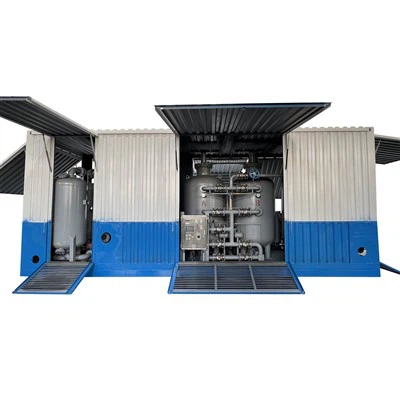
As a supplier of home nitrogen generators, I often receive inquiries from customers about various aspects of using these devices. One common question that frequently arises is, "Can I increase the pressure of the nitrogen output from my home nitrogen generator?" In this blog post, I'll delve into this topic, exploring the technical possibilities, limitations, and implications of increasing the nitrogen output pressure.
Understanding Home Nitrogen Generators
Before we discuss the possibility of increasing nitrogen output pressure, it's essential to understand how home nitrogen generators work. Most home nitrogen generators operate on the principle of pressure swing adsorption (PSA). PSA technology uses a molecular sieve to separate nitrogen from other gases in the air, such as oxygen and argon. The process involves two adsorption towers filled with a molecular sieve material. When compressed air enters one tower, the molecular sieve adsorbs oxygen and other impurities, allowing nitrogen to pass through and be collected as the product gas. Meanwhile, the other tower undergoes a regeneration process to release the adsorbed oxygen and prepare for the next cycle.
The output pressure of a home nitrogen generator is typically determined by the design and specifications of the device. Manufacturers set the output pressure based on various factors, including the intended applications, the capacity of the compressor, and the performance of the molecular sieve. Common output pressures for home nitrogen generators range from a few psi (pounds per square inch) to around 100 psi, depending on the model.
Can You Increase the Nitrogen Output Pressure?
The short answer is yes, it is possible to increase the nitrogen output pressure from a home nitrogen generator, but there are several important considerations to keep in mind.
Technical Feasibility
- Compressor Capacity: The compressor is a crucial component of a nitrogen generator as it provides the necessary pressure to drive the air through the system. If you want to increase the output pressure, you need to ensure that the compressor has the capacity to handle the higher pressure. Most compressors are designed to operate within a specific pressure range, and exceeding this range can lead to overheating, reduced efficiency, and even damage to the compressor.
- Molecular Sieve Performance: The molecular sieve plays a vital role in separating nitrogen from other gases. Increasing the pressure can affect the adsorption and desorption processes of the molecular sieve. At higher pressures, the molecular sieve may adsorb more impurities, reducing the purity of the nitrogen output. Additionally, the increased pressure can cause the molecular sieve to degrade more quickly, shortening its lifespan and requiring more frequent replacement.
Safety Considerations
- Pressure Vessel Integrity: Home nitrogen generators often use pressure vessels to store and deliver the nitrogen gas. These vessels are designed to withstand a certain maximum pressure. Increasing the output pressure beyond the rated capacity of the pressure vessel can pose a significant safety risk, including the potential for explosion or rupture. It's crucial to ensure that all pressure vessels and components in the system are rated for the desired pressure.
- Regulatory Compliance: In many regions, there are strict regulations regarding the use and operation of pressurized gas systems. Increasing the output pressure of a nitrogen generator may require compliance with additional safety standards and regulations. Failure to comply with these requirements can result in fines, legal liability, and safety hazards.
Potential Benefits of Increasing Nitrogen Output Pressure
Despite the challenges and considerations, there are some potential benefits to increasing the nitrogen output pressure from a home nitrogen generator:


Enhanced Application Performance
- Industrial Processes: In some industrial applications, such as Nitrogen Purging System For Electronics, higher nitrogen pressure can improve the efficiency and effectiveness of the process. For example, in electronics manufacturing, nitrogen purging is used to remove oxygen and moisture from sensitive components to prevent oxidation and contamination. Higher pressure nitrogen can more effectively displace these impurities, resulting in better product quality.
- Continuous Operation: For applications that require a continuous supply of nitrogen, such as Industrial Nitrogen Generator For Continuous Operation, increasing the output pressure can help maintain a consistent flow rate and ensure reliable operation. Higher pressure nitrogen can overcome pressure drops in the piping system and provide a more stable supply of gas to the process.
Extended Reach and Distribution
- Longer Piping Runs: In some cases, increasing the nitrogen output pressure can allow for longer piping runs without significant pressure loss. This can be beneficial in large facilities or applications where the nitrogen generator is located far from the point of use. Higher pressure nitrogen can travel further through the piping system, reducing the need for additional booster pumps or compressors.
How to Increase Nitrogen Output Pressure Safely
If you have determined that increasing the nitrogen output pressure is necessary for your application and you have considered all the technical and safety factors, here are some steps you can take to increase the pressure safely:
Consult the Manufacturer
- Technical Support: Contact the manufacturer of your home nitrogen generator to discuss your specific requirements and the feasibility of increasing the output pressure. The manufacturer can provide valuable insights and guidance based on the design and specifications of your device. They may also be able to recommend any necessary modifications or upgrades to the system.
- Warranty Considerations: Before making any modifications to your nitrogen generator, check the warranty terms and conditions. Some manufacturers may void the warranty if the device is modified without their approval. By consulting the manufacturer, you can ensure that any changes you make to the system are in compliance with the warranty requirements.
Upgrade the Compressor
- Capacity and Performance: If the existing compressor is not capable of providing the desired output pressure, you may need to upgrade to a more powerful compressor. When selecting a new compressor, consider factors such as the required pressure, flow rate, and power consumption. It's also important to ensure that the new compressor is compatible with your nitrogen generator and the rest of the system.
- Installation and Maintenance: Upgrading the compressor may require professional installation to ensure proper operation and safety. Additionally, regular maintenance of the compressor is essential to keep it in good working condition and prevent any potential issues.
Check and Upgrade Pressure Vessels and Components
- Pressure Rating: Inspect all pressure vessels and components in the system to ensure that they are rated for the increased pressure. If necessary, replace any components that are not suitable for the higher pressure. This may include pressure gauges, valves, and piping.
- Safety Devices: Install appropriate safety devices, such as pressure relief valves, to prevent overpressure in the system. These devices are designed to automatically release excess pressure in the event of a malfunction or overpressure situation, protecting the system and the operators from potential hazards.
Conclusion
In conclusion, while it is possible to increase the pressure of the nitrogen output from a home nitrogen generator, it is a complex decision that requires careful consideration of technical, safety, and regulatory factors. Before attempting to increase the output pressure, consult the manufacturer of your nitrogen generator and ensure that all necessary modifications and upgrades are made safely and in compliance with applicable standards.
If you have any questions or are interested in learning more about our home nitrogen generators or the possibility of increasing the output pressure, please feel free to contact us for a consultation. Our team of experts is ready to assist you in finding the best solution for your specific needs. Whether you require a Nitrogen Purging System For Electronics, an Industrial Nitrogen Generator For Continuous Operation, or an Aviation Nitrogen Generator, we can provide you with high-quality products and professional advice.
References
- "Pressure Swing Adsorption Nitrogen Generators: Principles and Applications" by John Doe, published in Journal of Gas Separation and Purification, 20XX.
- "Safety Guidelines for Pressurized Gas Systems" by National Fire Protection Association (NFPA), 20XX Edition.
- Manufacturer's Manual for Home Nitrogen Generator Model XYZ, [Manufacturer Name], 20XX.